 Sluit menu
Sluit menu
Sluit menu
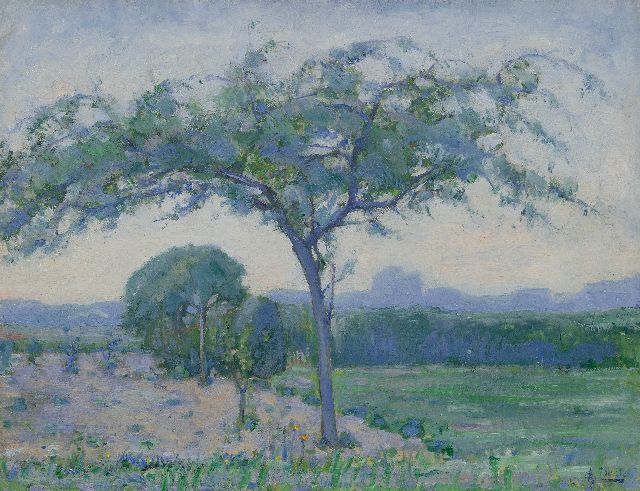
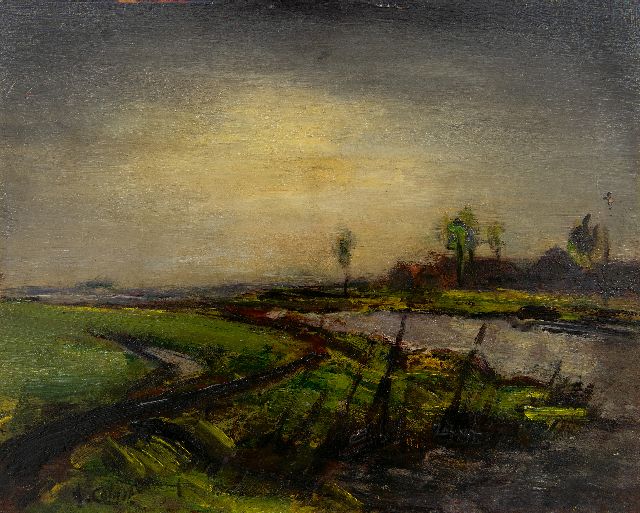
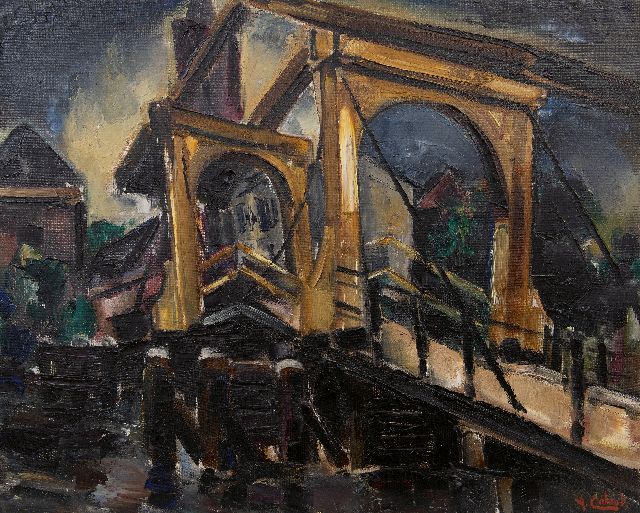
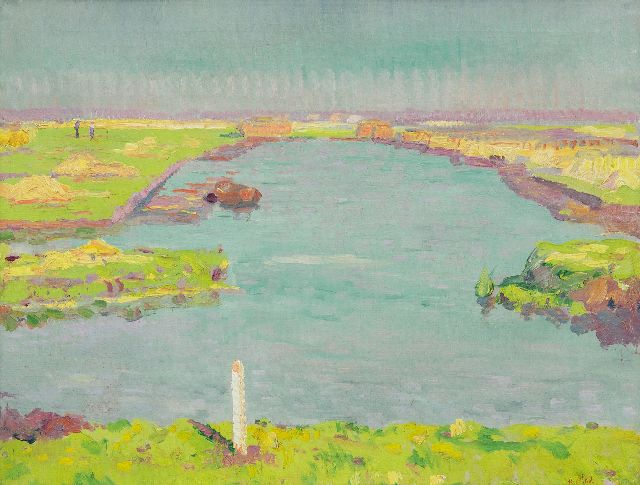
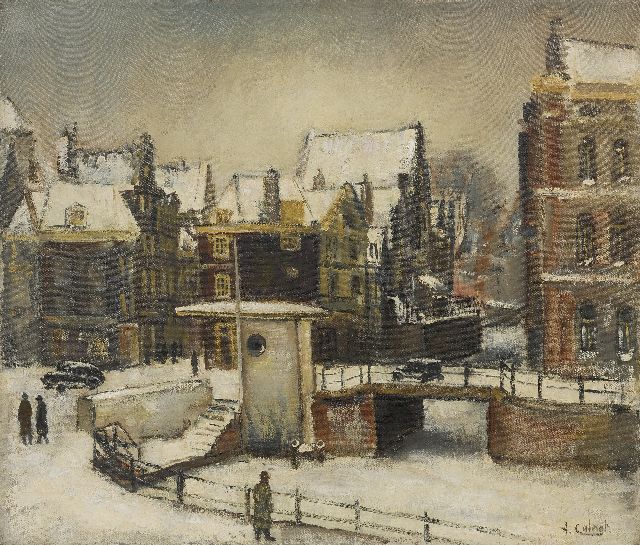
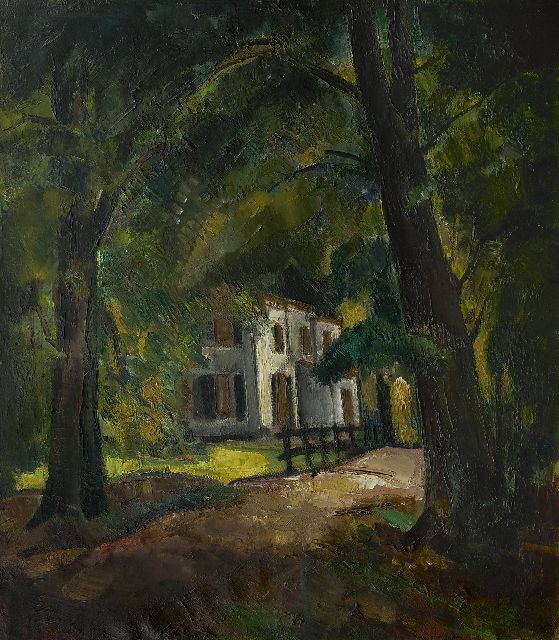
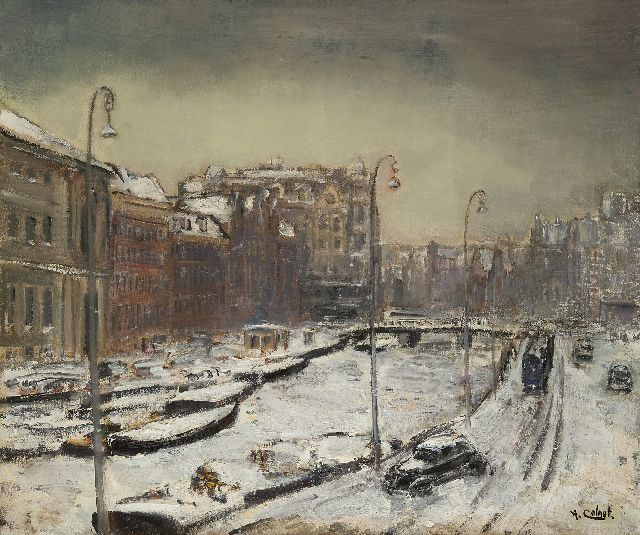
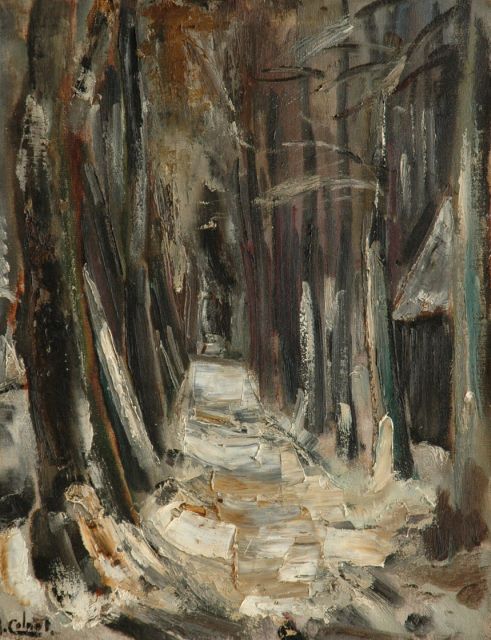
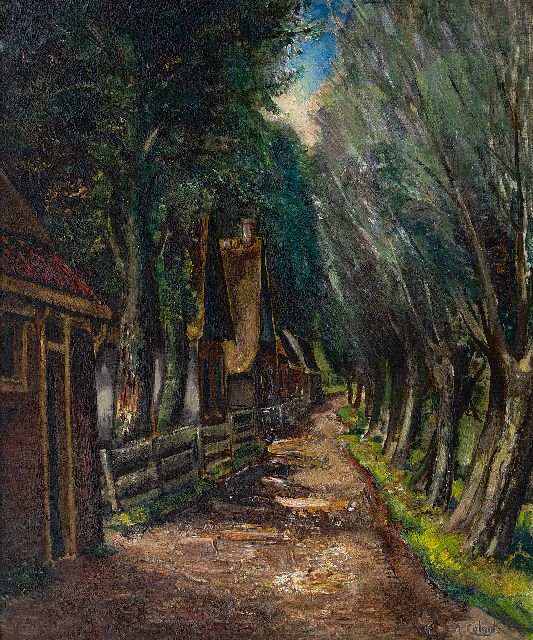
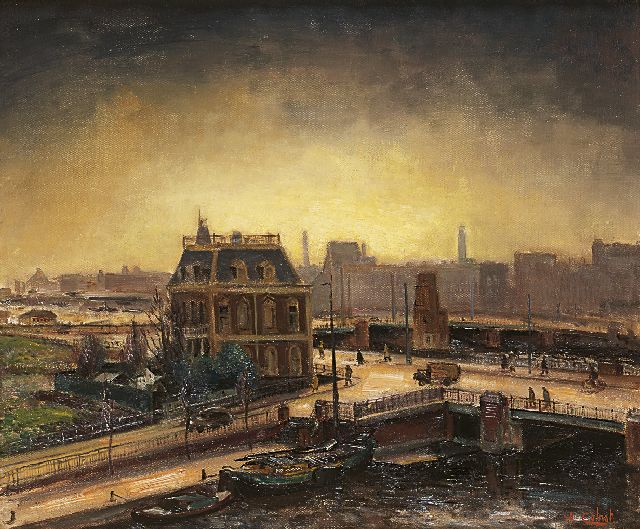
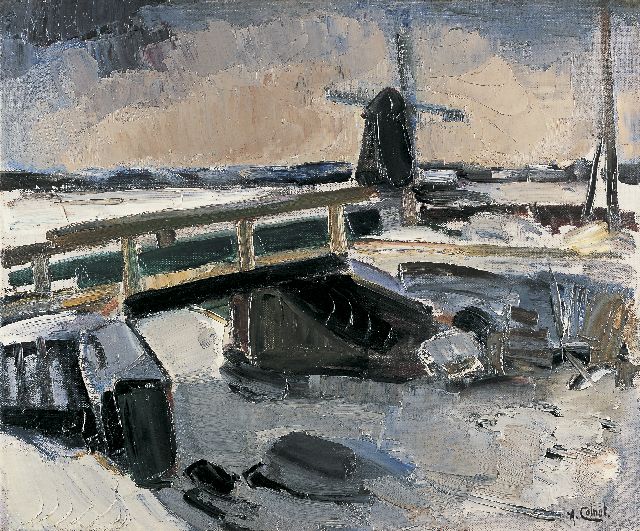
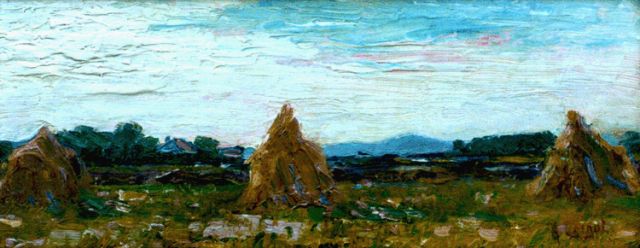
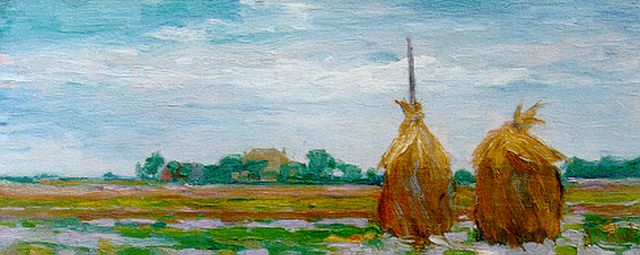
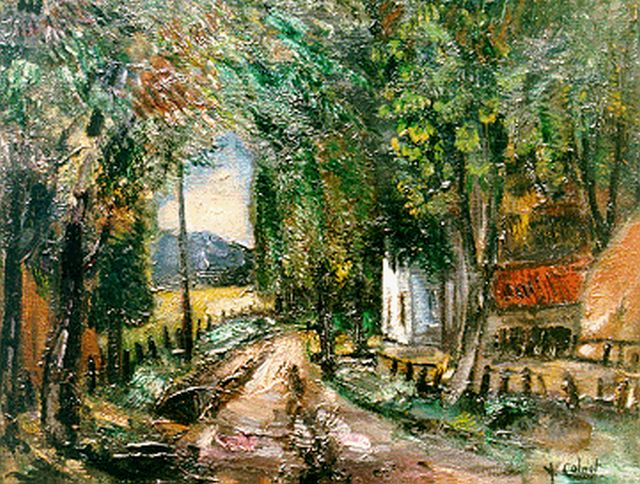
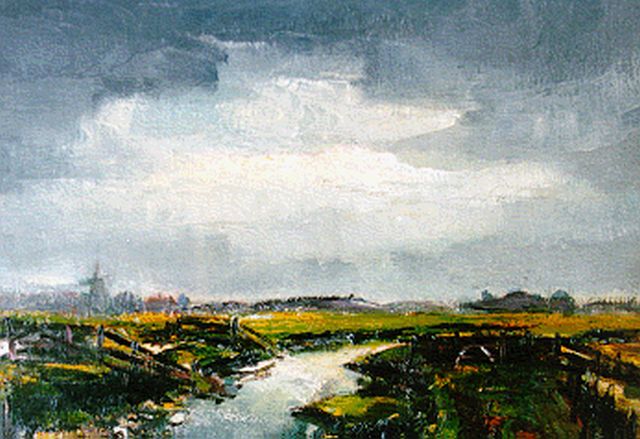
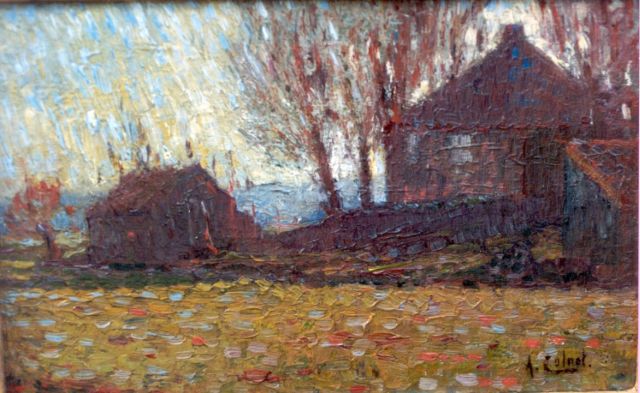
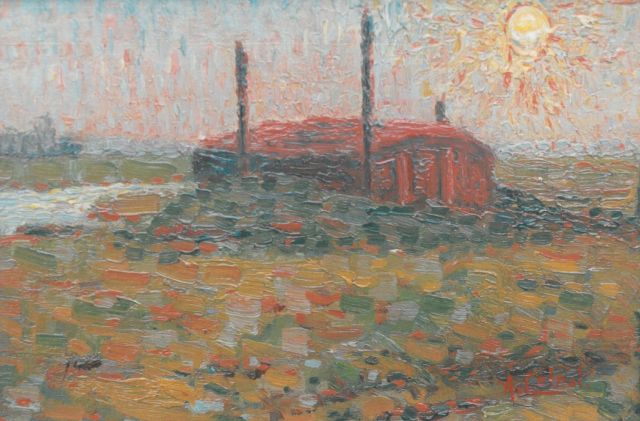
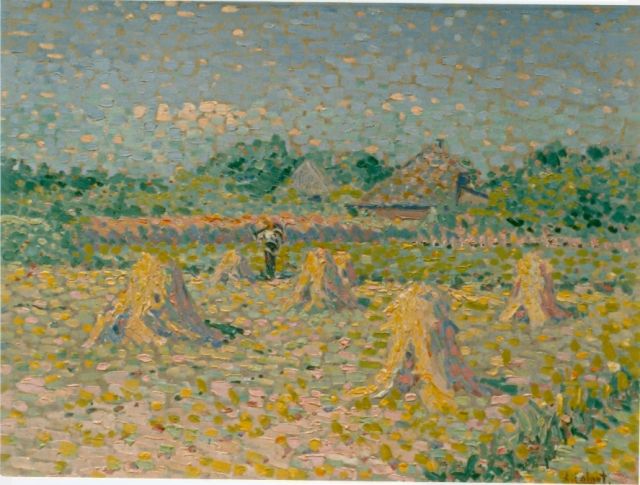
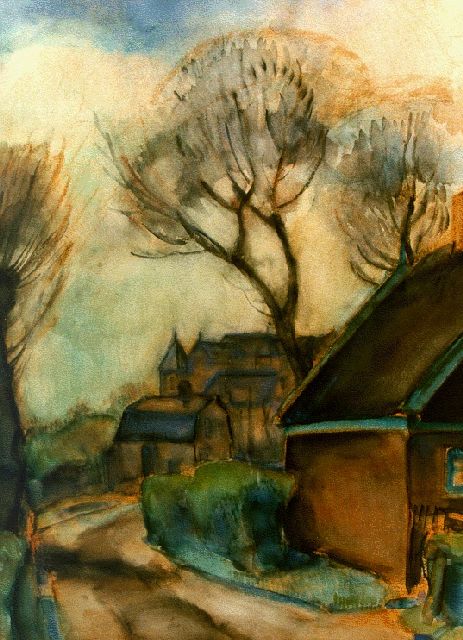
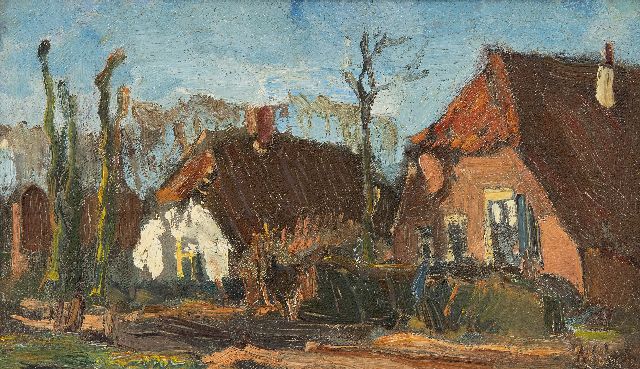
Amsterdam native Arnout Colnot's love for painting manifested itself early on. He was largely self-taught and worked in the studio of stage set designer Jan Maandag between 1901 and 1907. After work, he would venture out to paint along the Amstel River in the Amsterdam area. At twenty, he decided to make painting his profession. Like many other painters, he came under the influence of Luminism at a time when painters were trying to break away from naturalism. In 1910, he moved with his friend Dirk Filarski to Bergen, where a group of artists who would later become known as the Bergen School had already established themselves. Colnot would become one of the leading figures in this group of painters and would continue to live and work in Bergen until 1923. He found what he needed in the North Holland landscape. Using thick paint in vibrant brown, gold, and green tones, he captured the landscape with its polder ditches and pollard willows on canvas, preferably without figures. In Colnot's early work, the dark, expressionist touch of the Bergen School is clearly visible, and his work displays Cubist influences.
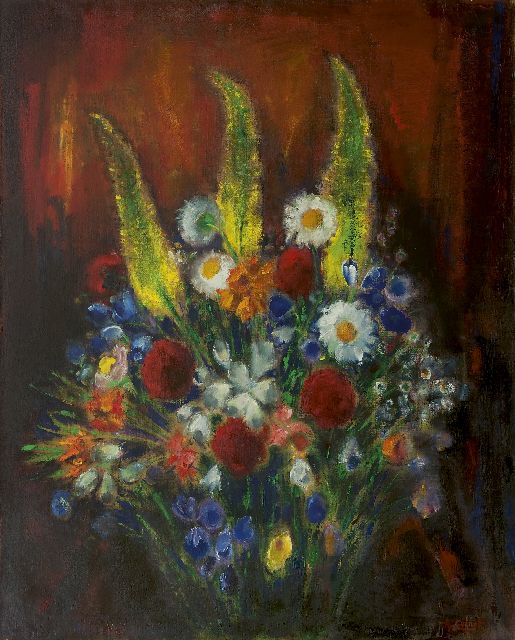
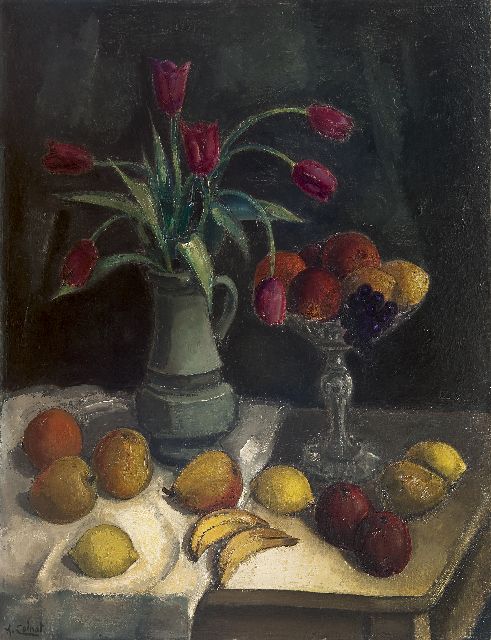
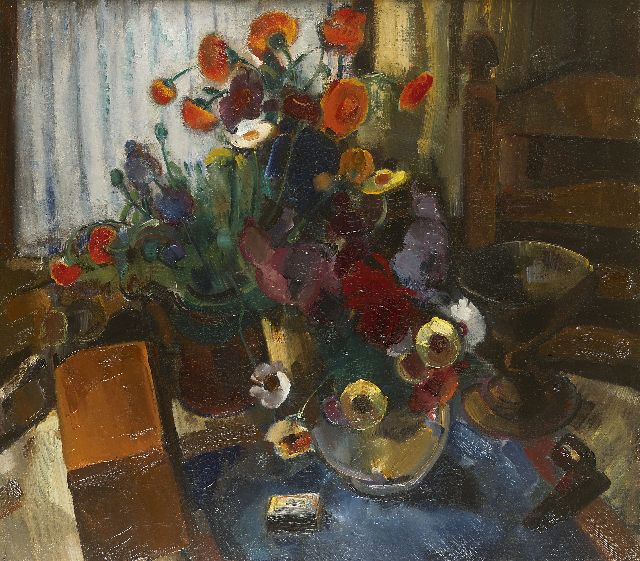
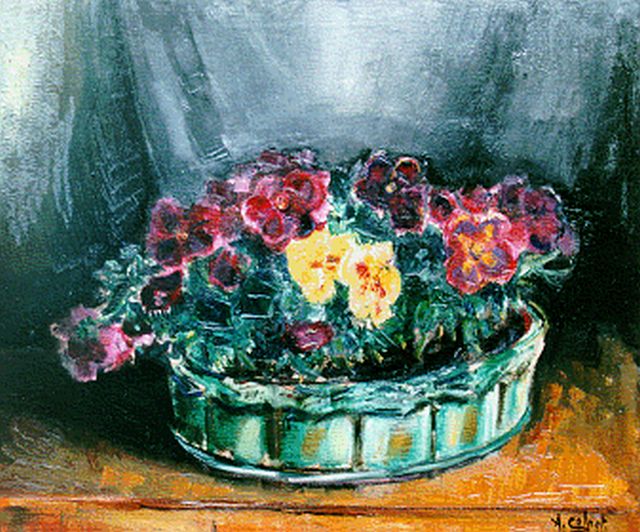
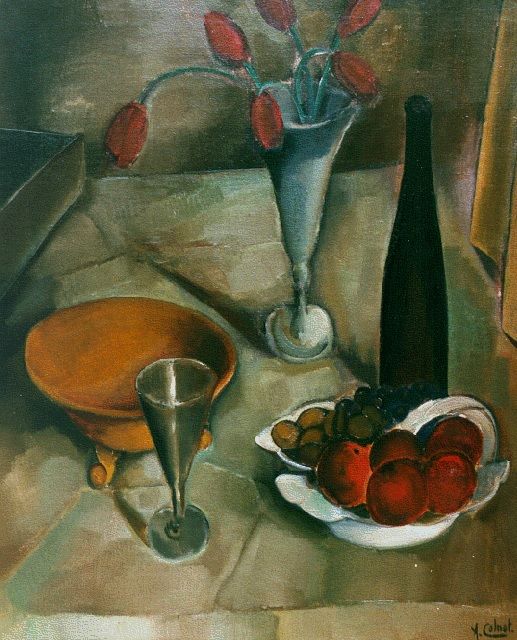
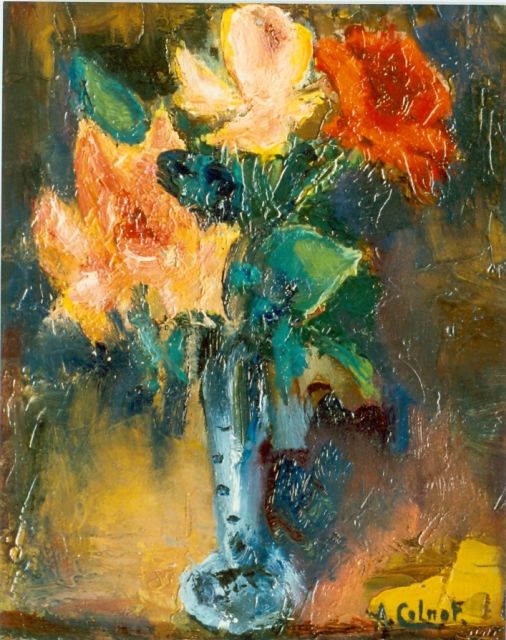
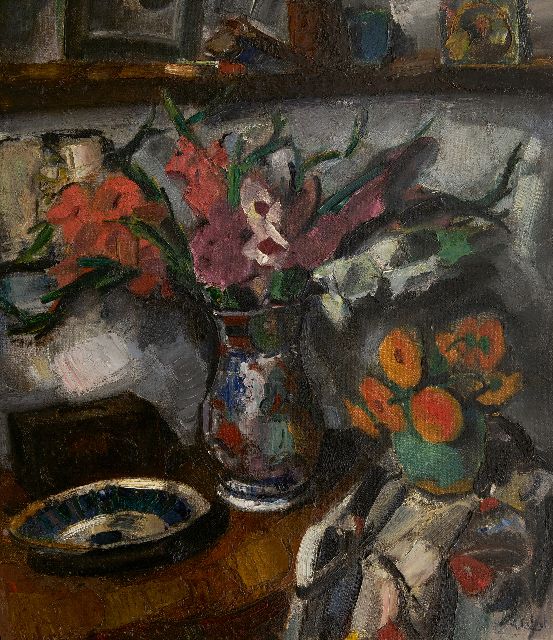
Besides landscapes, Colnot also created portraits and interiors, and, like his Bergen colleagues, he had a predilection for still lifes. Dirk Klomp, author of the book 'The Bergen School,' said of this: 'His still lifes possess great expressive power, which arises primarily from the omission of all irrelevant coincidences.' Unlike his Bergen colleagues, Colnot was not drawn to foreign countries. In the 1920s, he traveled to Belgium and twice to France. But the work he produced there always displayed a Dutch atmosphere. Between 1943 and 1969, Colnot lived in Amsterdam again, after which he returned permanently to Bergen. Unlike other Bergen School painters, he did not significantly change his style throughout his life. In the 1930s he applied the paint thinly for a while, but after the Second World War he returned to his earlier dark, powerful palette.