 Sluit menu
Sluit menu
Sluit menu
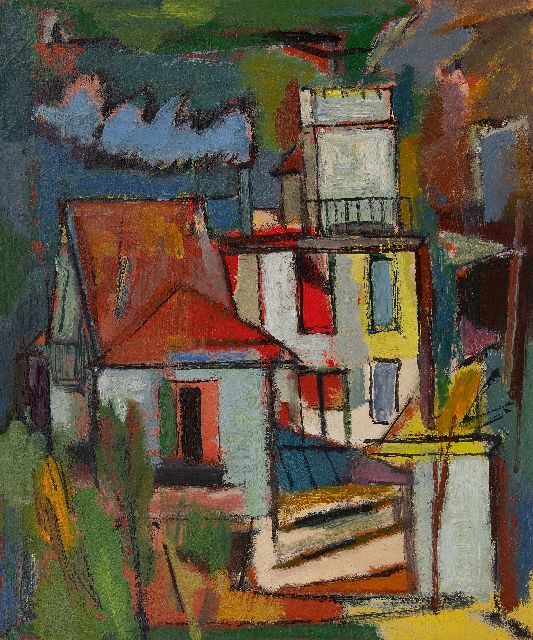
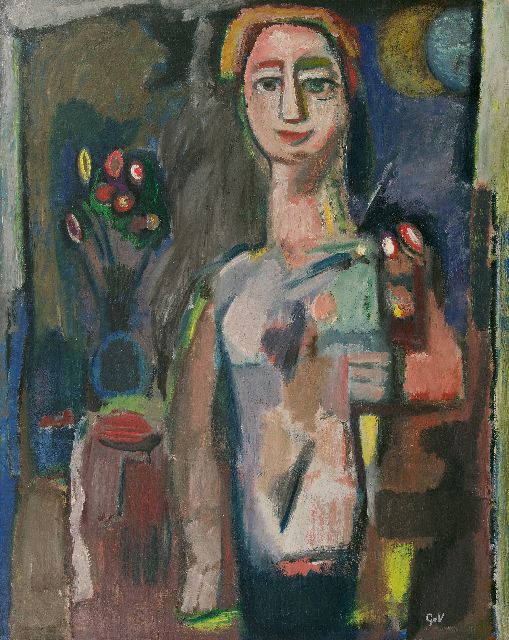
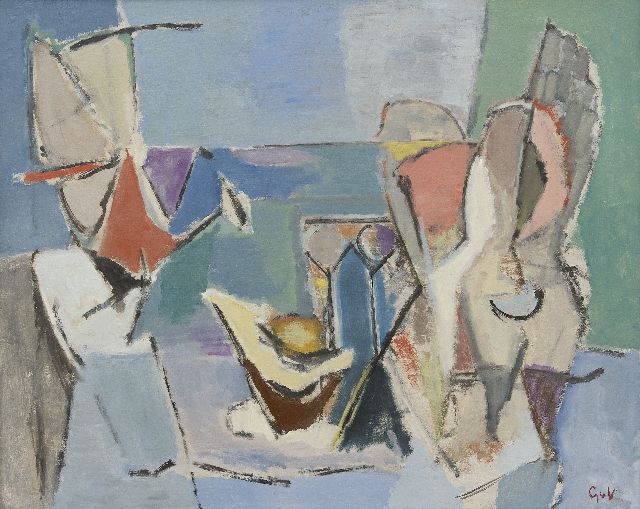
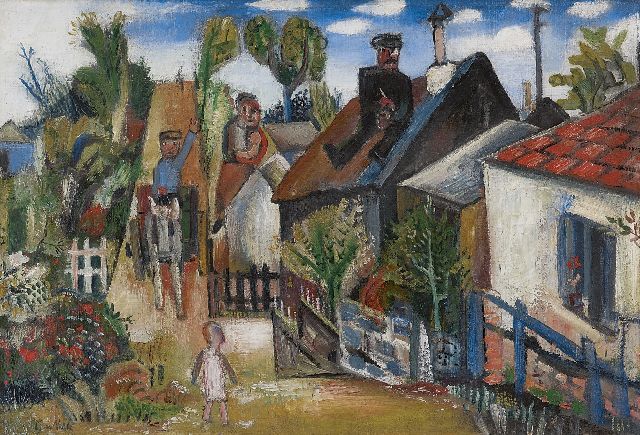
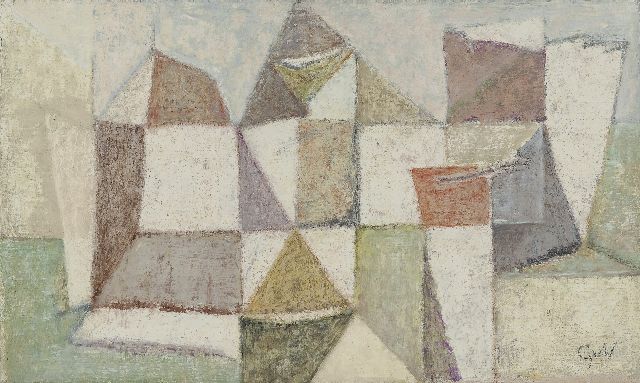
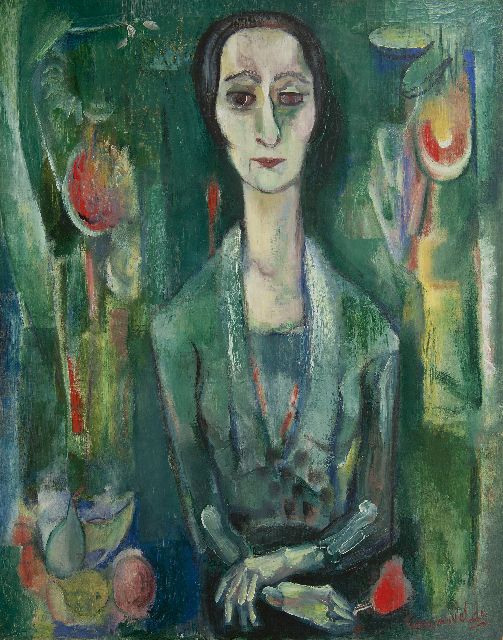
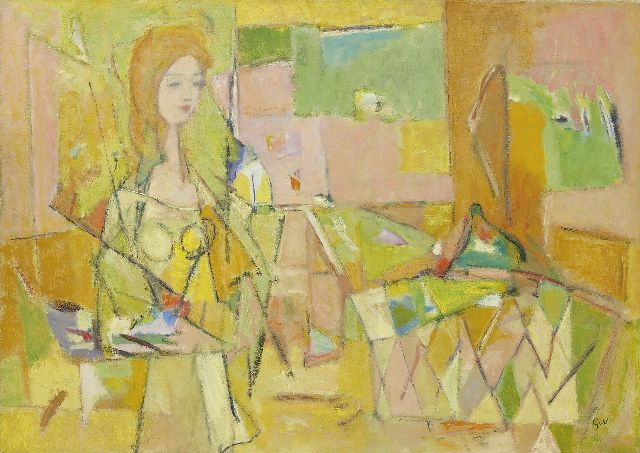
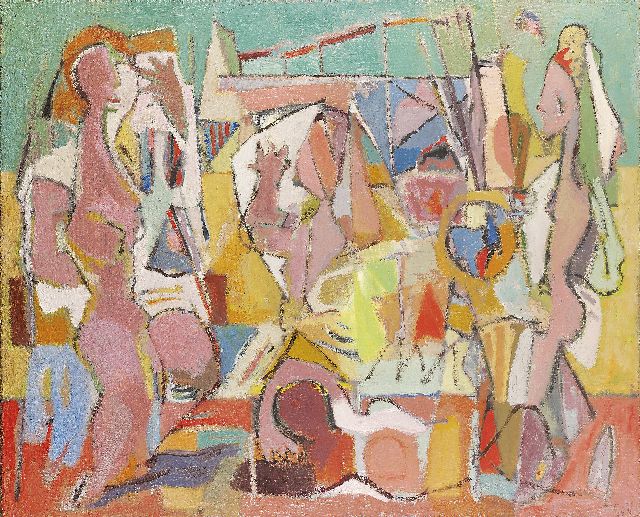
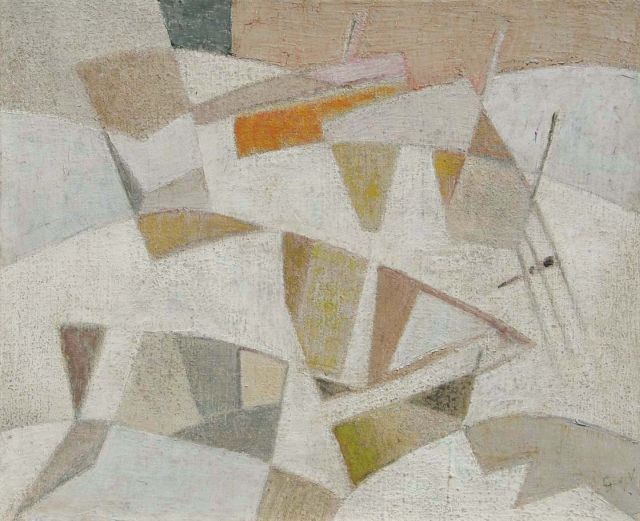
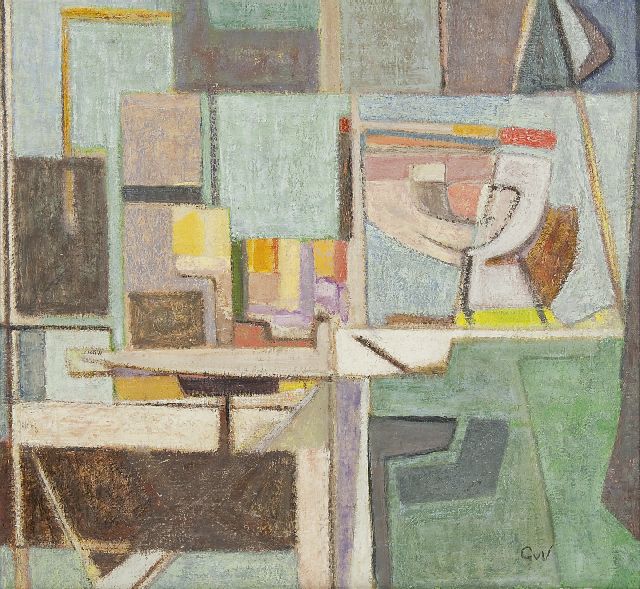
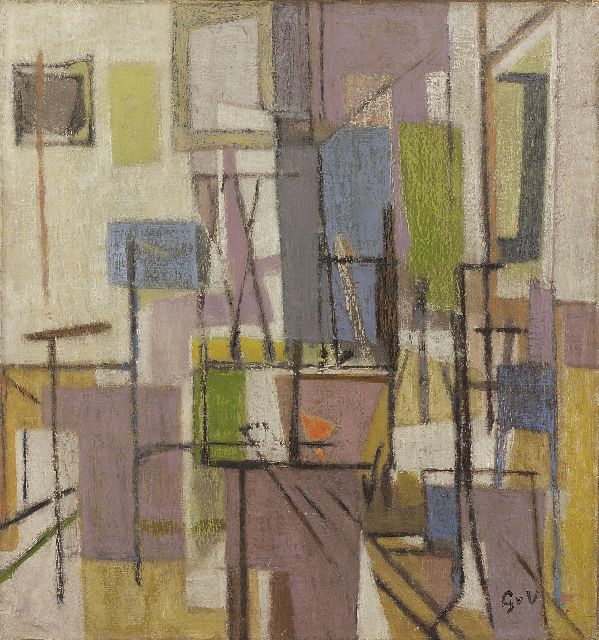
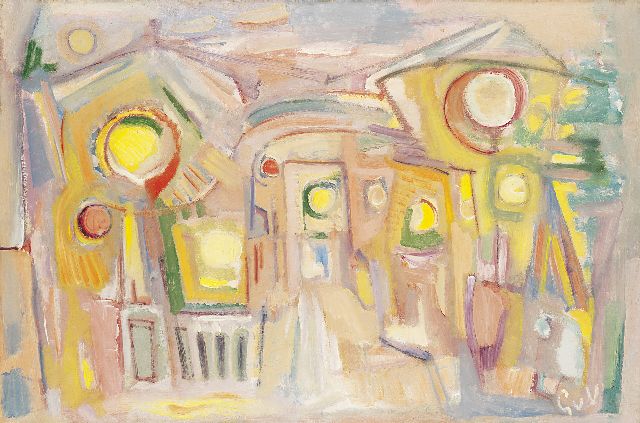
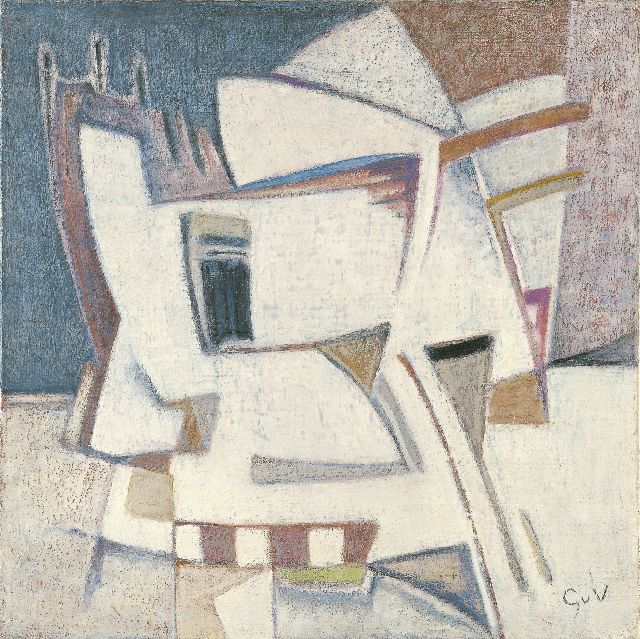
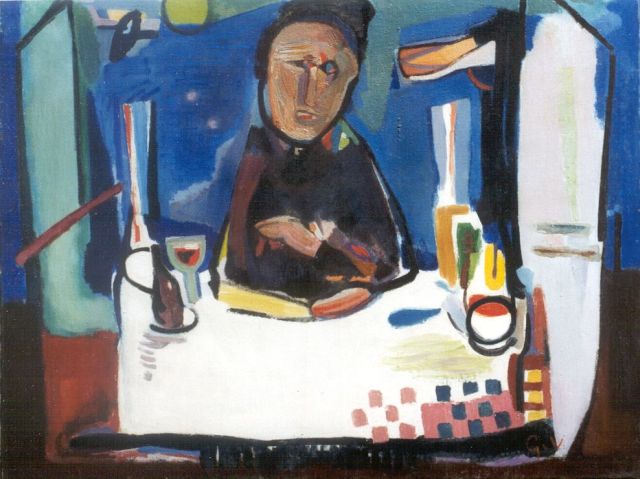
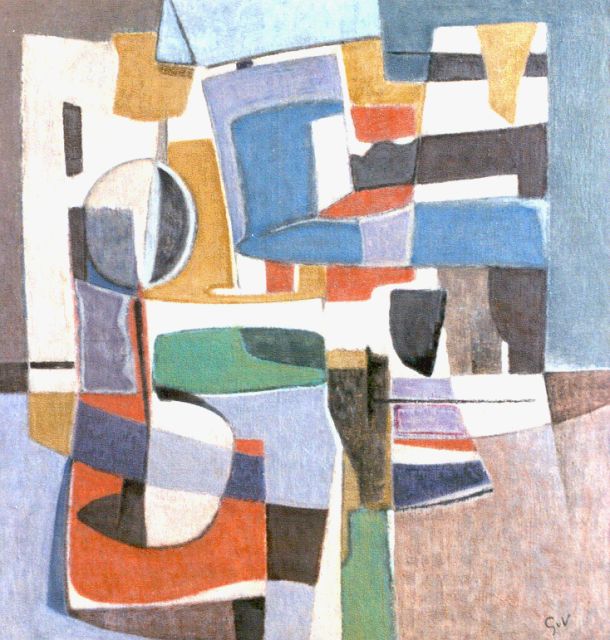
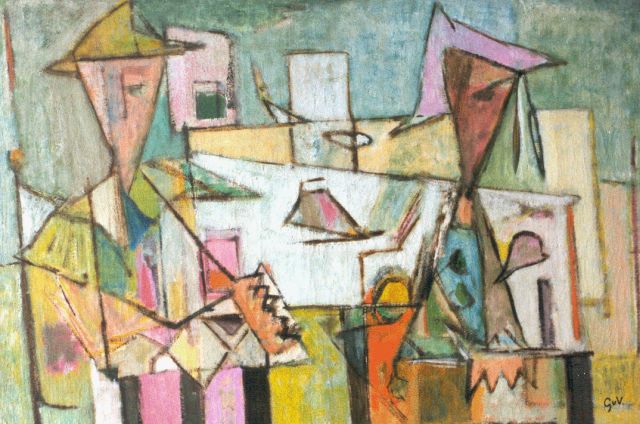
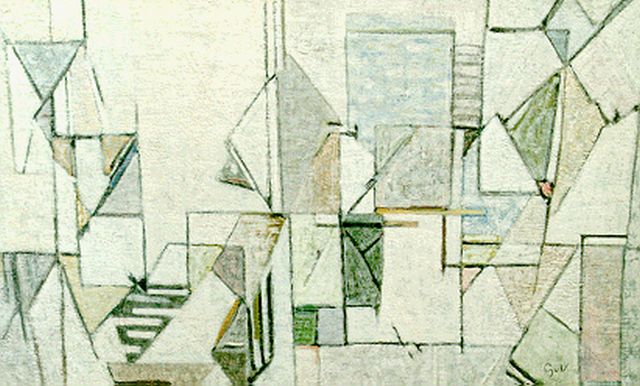
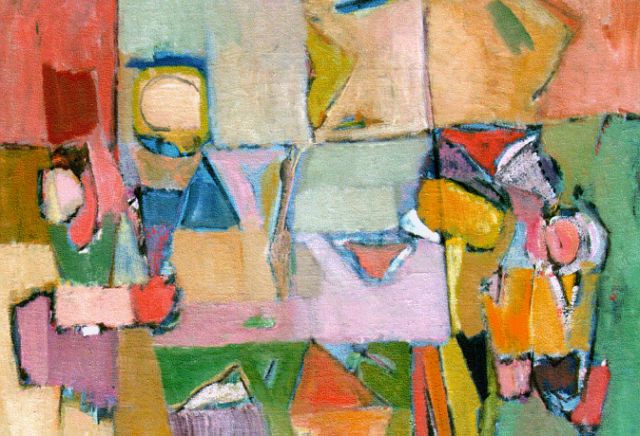
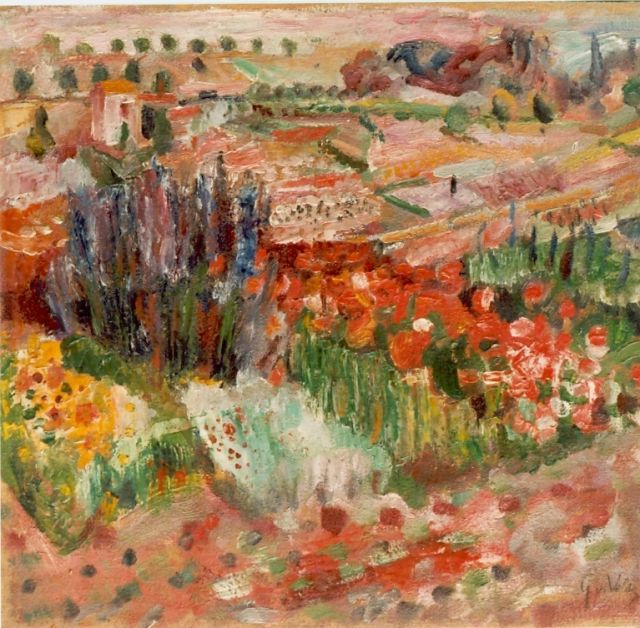
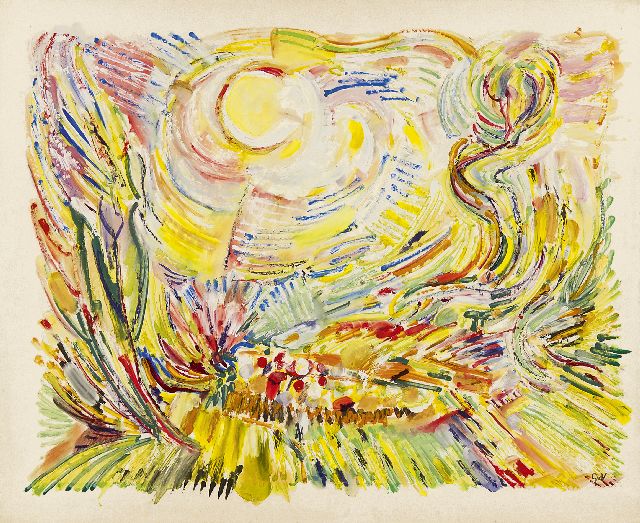
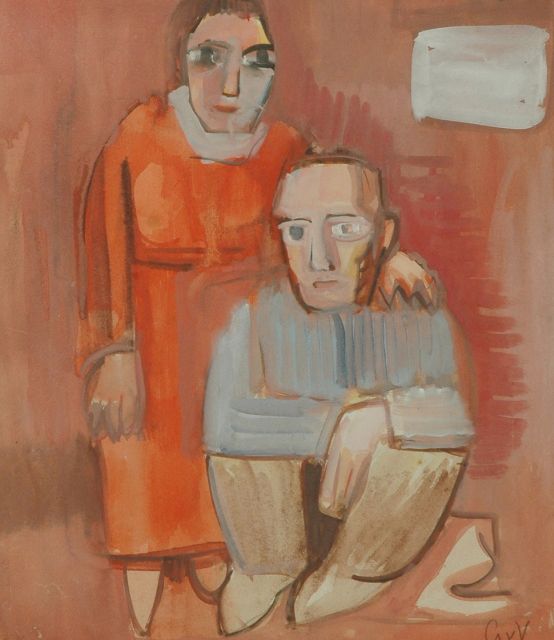
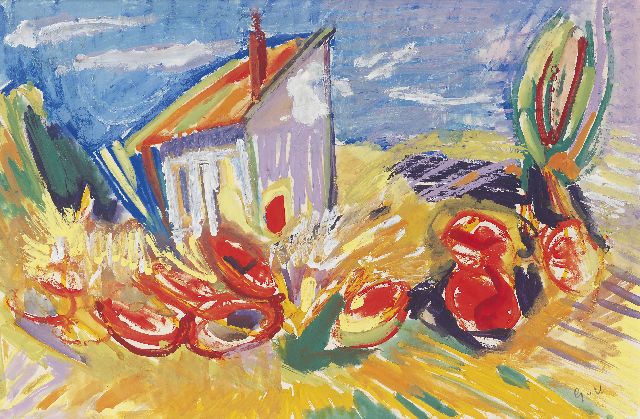
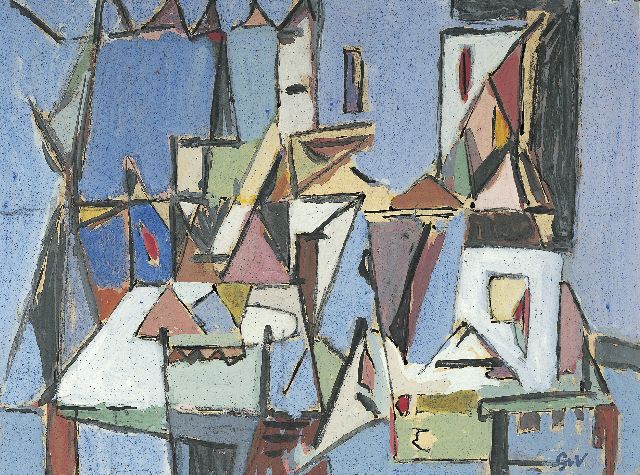
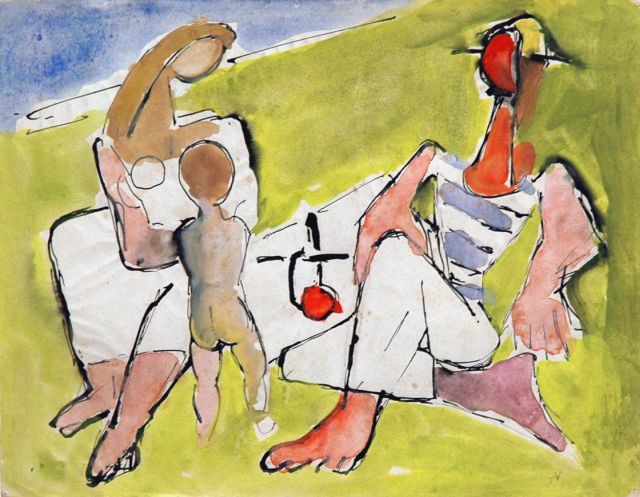
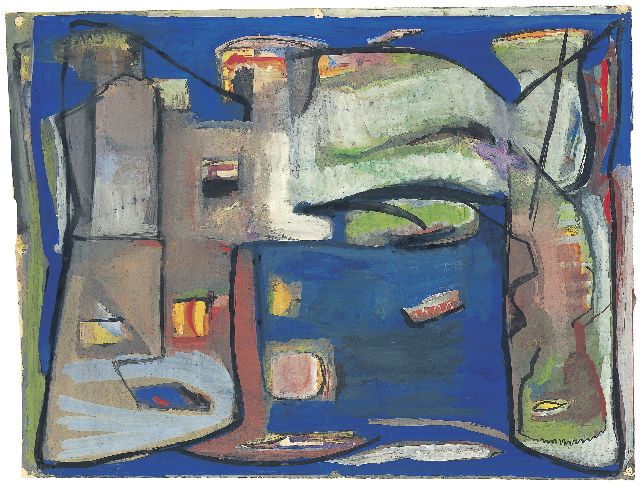
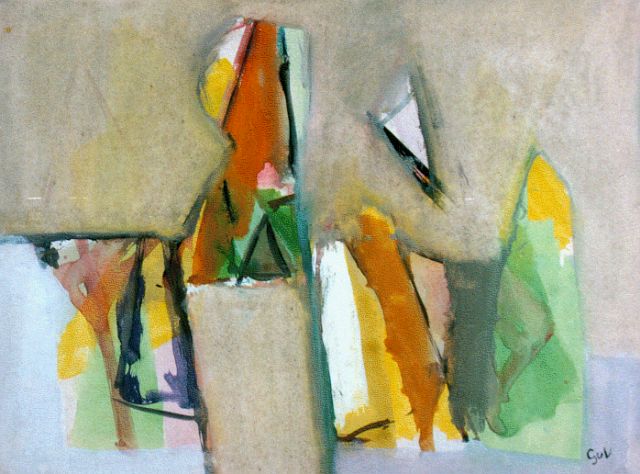
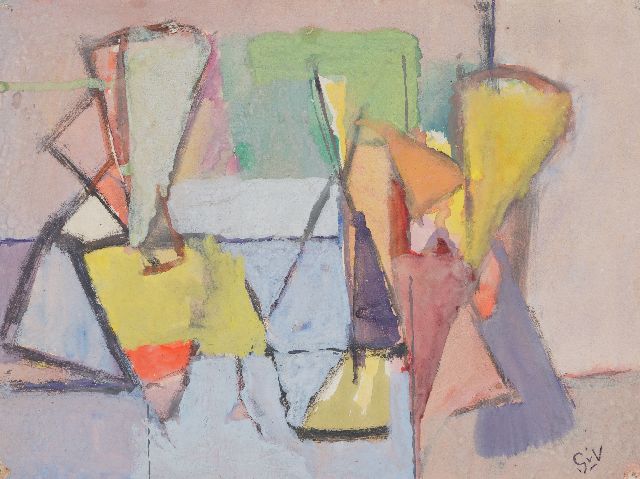
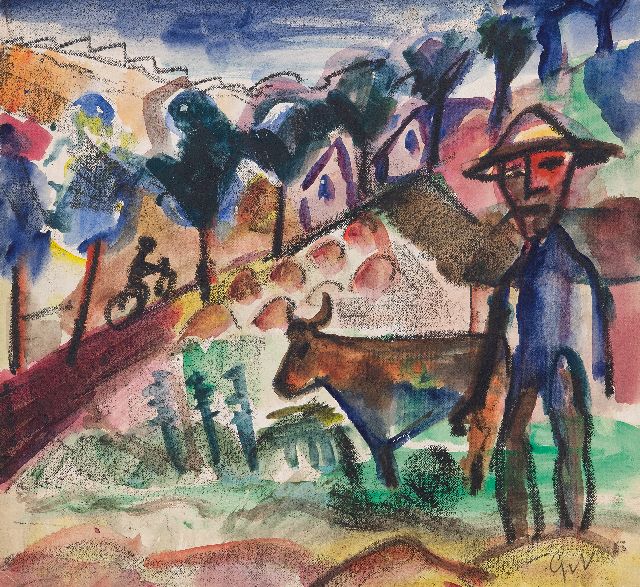
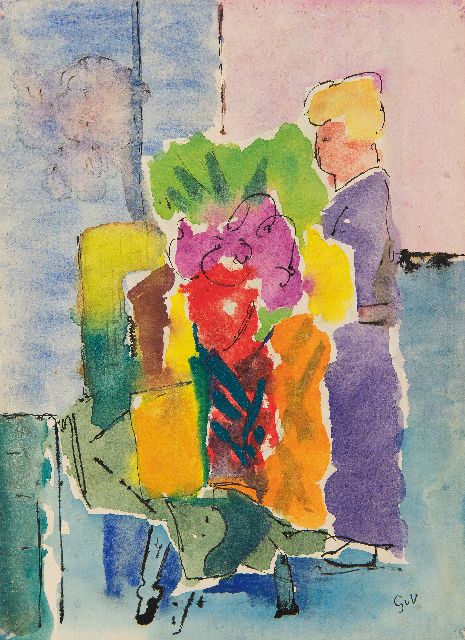
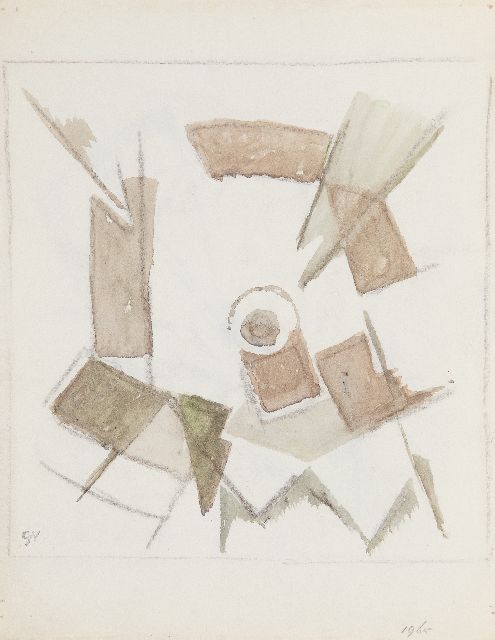
From his early years, Geer van Velde, a native of The Hague, frequently explored the natural surroundings of his hometown, sketching and drawing. After primary school, he and his older brother Bram, who later also became a painter, apprenticed at a painting and decorating studio. There, the students were encouraged to develop their drawing talent; they were involved in the restoration of old master paintings and instructed in colour theory. It was the light that particularly appealed to Van Velde in the works of the old masters and would dominate his later work. When Van Velde moved to Paris with his brother in 1925, as many young painters did at the time, he worked in an expressionist style and a multi-coloured palette with human and animal figures. Influenced by painters such as Mondrian, Le Corbusier, Fernand Leger, Kandinsky, and Paul Klee, his style evolved over the years from figurative to lyrical-abstract. The radical change began when he moved to Cagnes-sur-Mer in the south of France in 1938. There, he abandoned figuration and, influenced by the light he observed there, developed a unique abstract visual language in which he attempted to depict lines and geometric planes in matte tones within a balanced composition. He employed a specialized working method for this. He prepared the canvas with several layers of zinc white and then mounted it on a wooden board. He then drew the composition in lines with charcoal, which was then mixed with the zinc white. Next, the oil was removed from the resulting top layer with newspaper. Only then did he apply the colours and planes in oil paint. Once this was dry, he sanded the paint layer with pumice stone, after which he painted over it again. Finally, the paint surface of the resulting painting was matte and did not reflect the light directly, but absorbed it, making various colour intensities visible to the eye. Van Velde was friends with Pierre Bonnard, among others, who introduced him to the later famous gallery owner Maeght in Paris, who exhibited his work in 1946, 1948, and 1952. Through another friend, the Irish playwright Samuel Beckett, Van Velde received an offer to exhibit at Peggy Guggenheim's gallery in London, where she purchased his work. Van Velde would remain in France until his death in 1977 and is considered a pioneer of abstract art in Europe whose work has had a lasting influence.