 Sluit menu
Sluit menu
Sluit menu
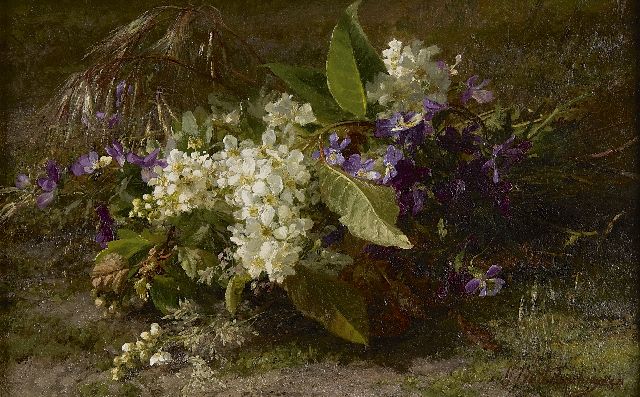
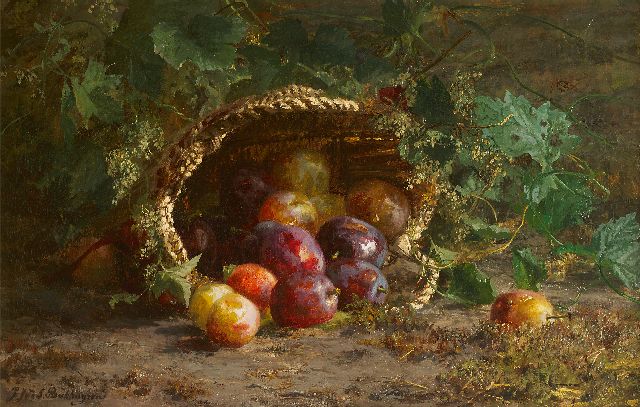
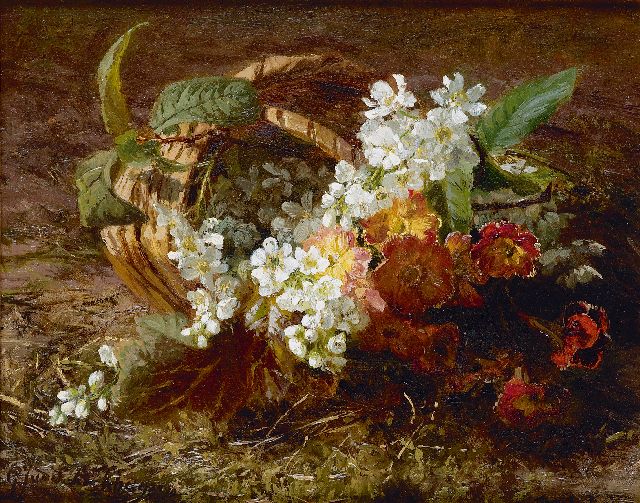
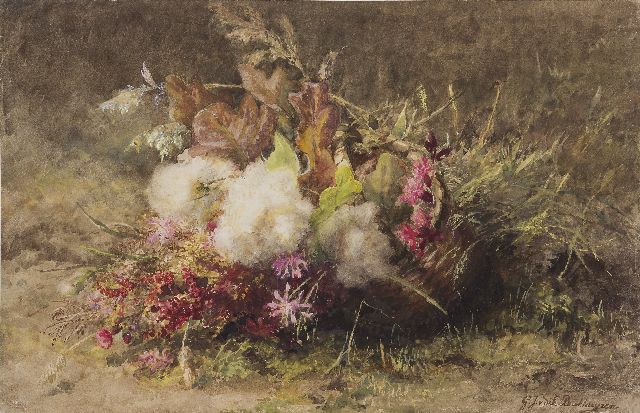
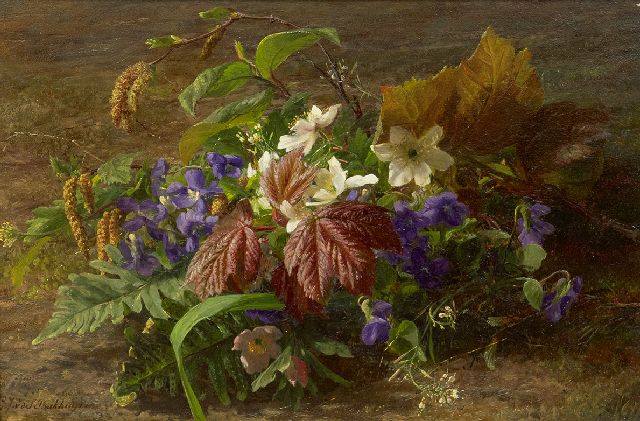
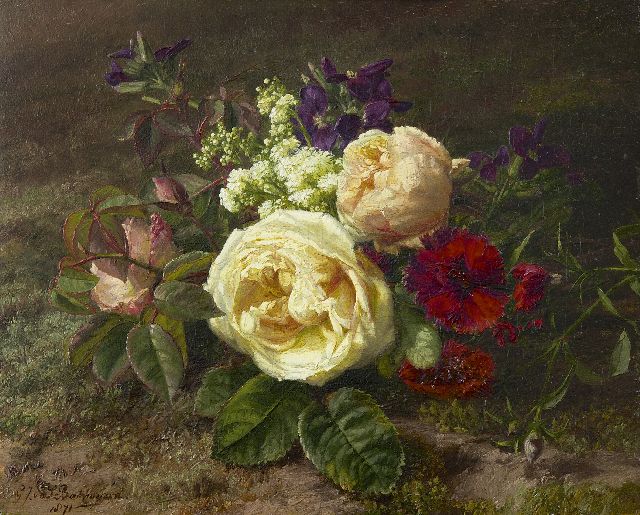
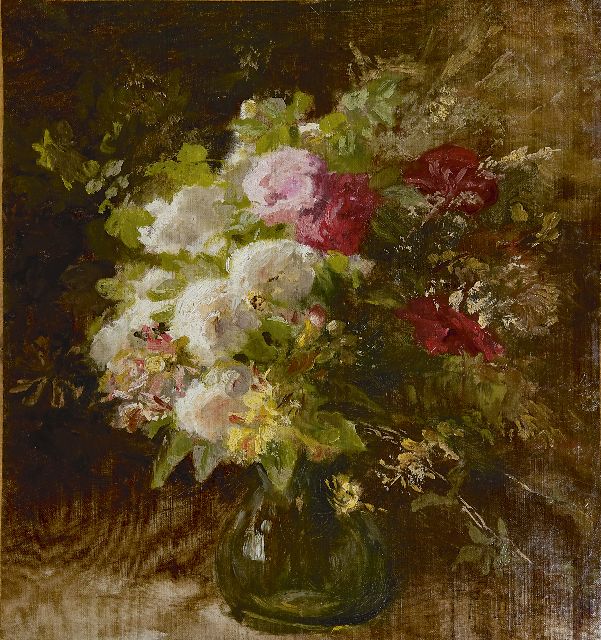
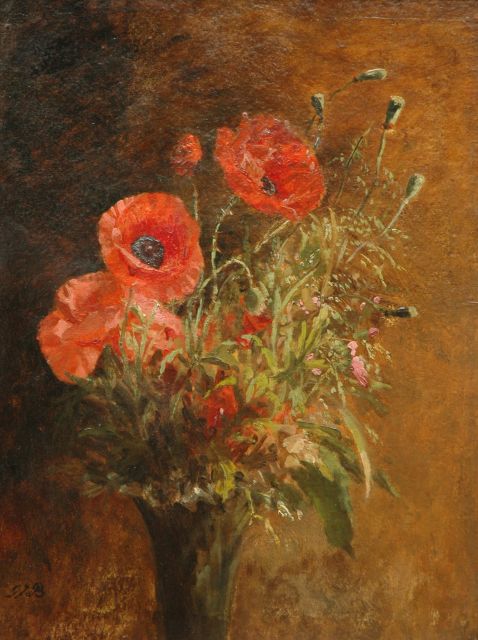
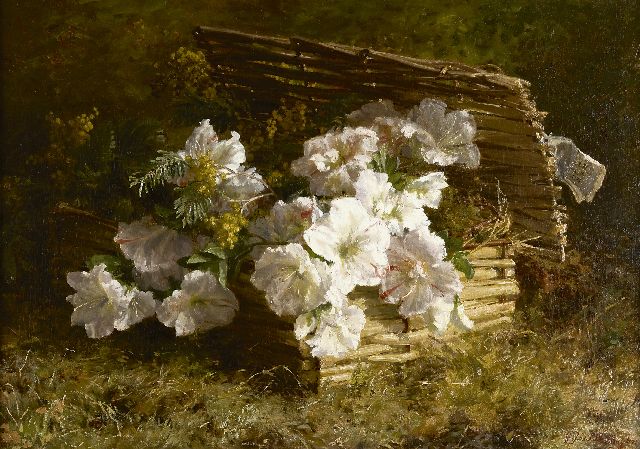
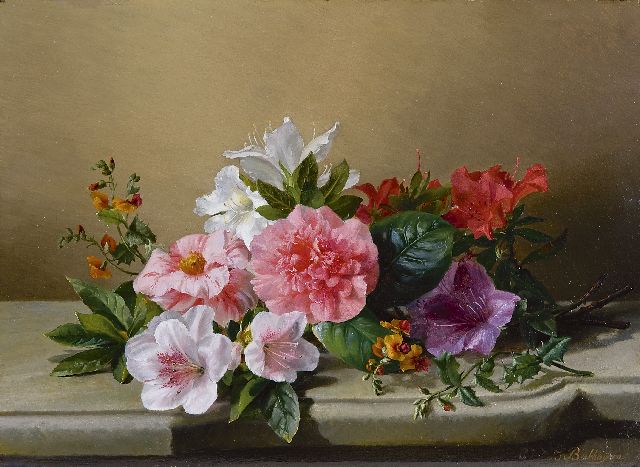
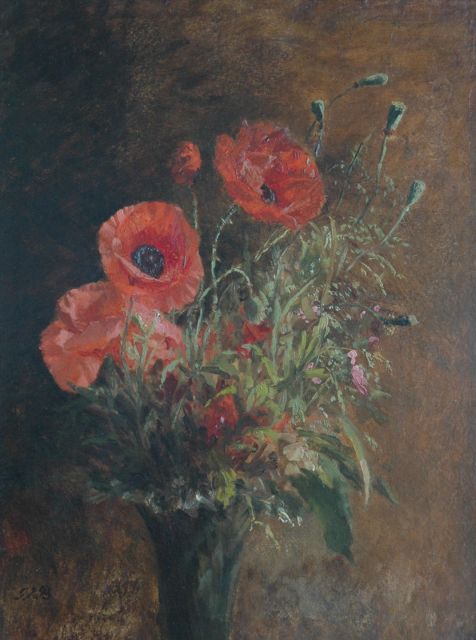
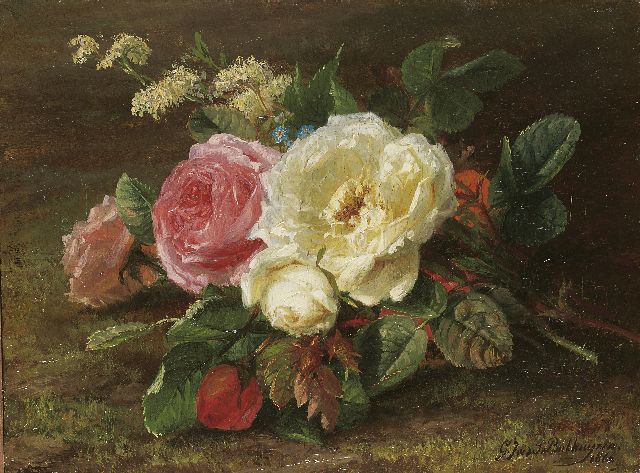
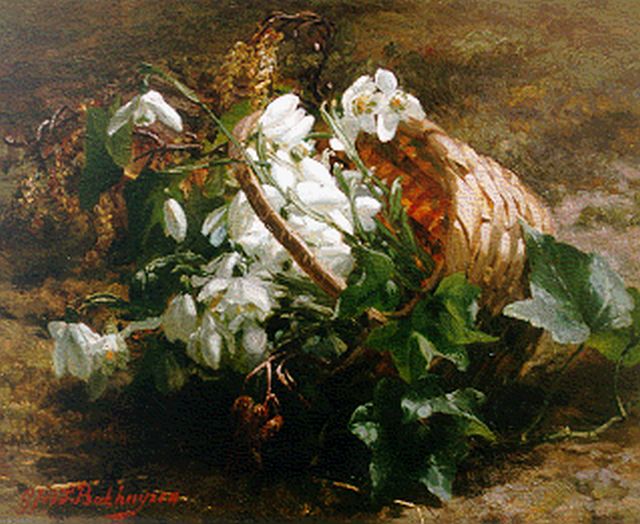
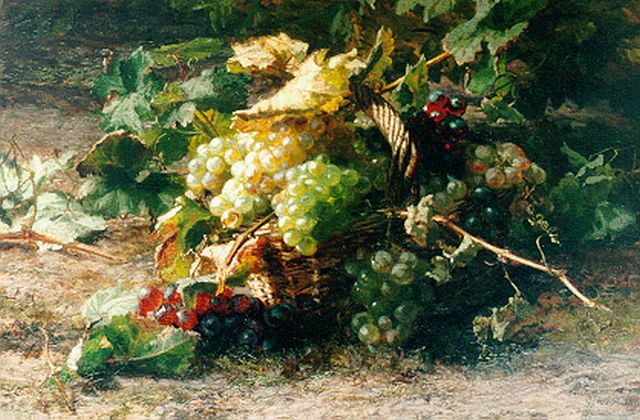
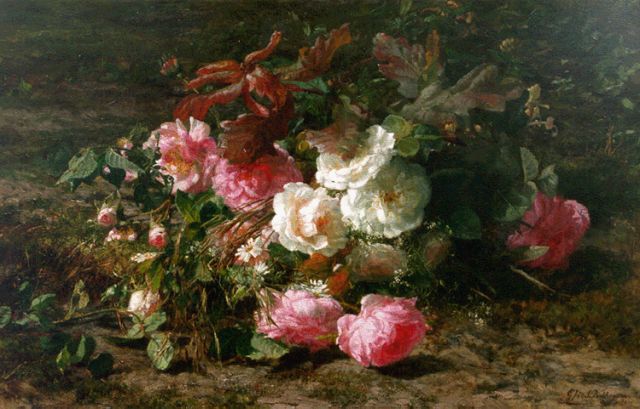
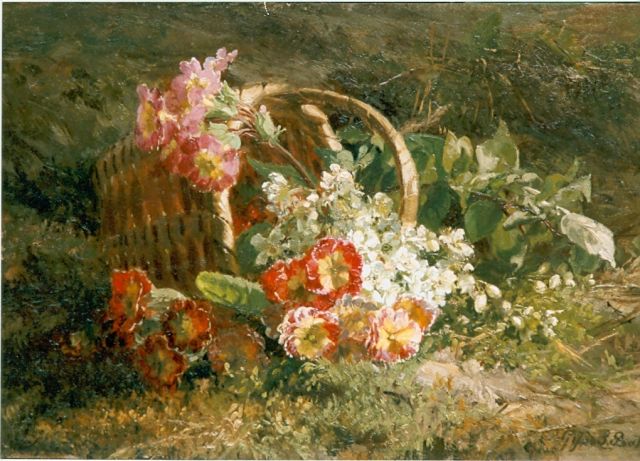
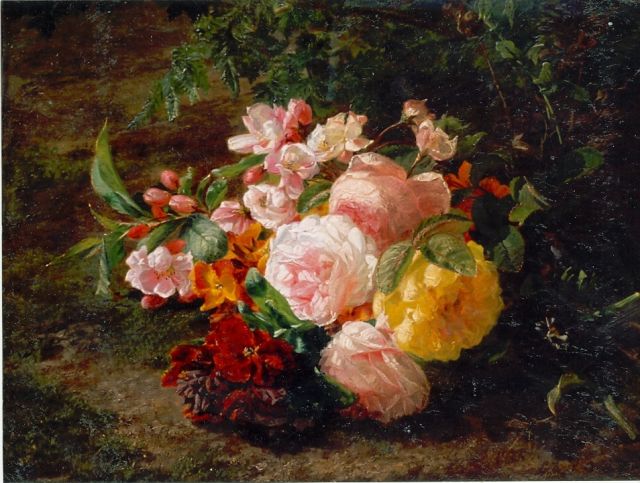
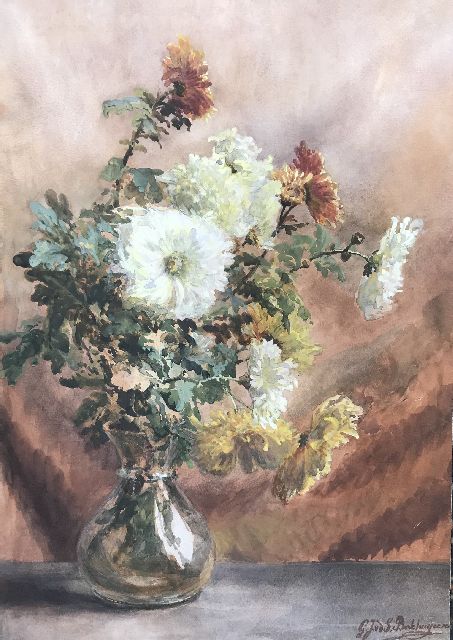
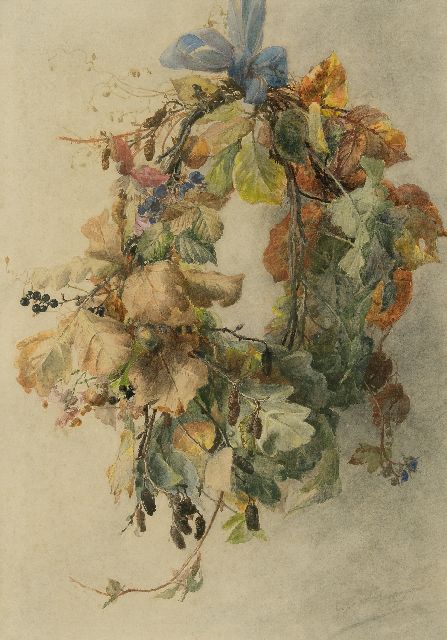
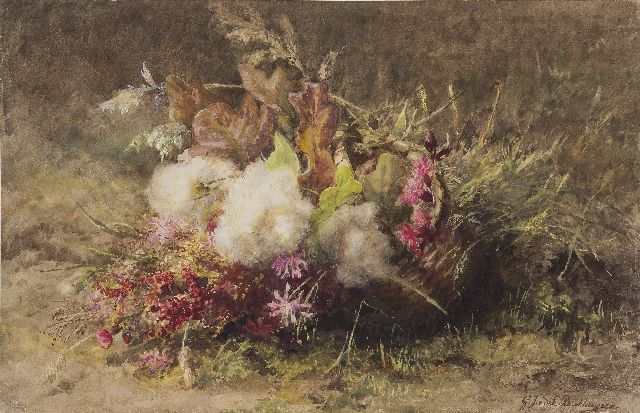
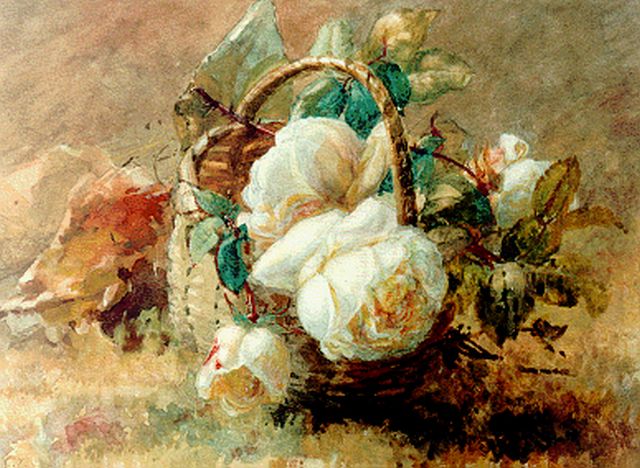
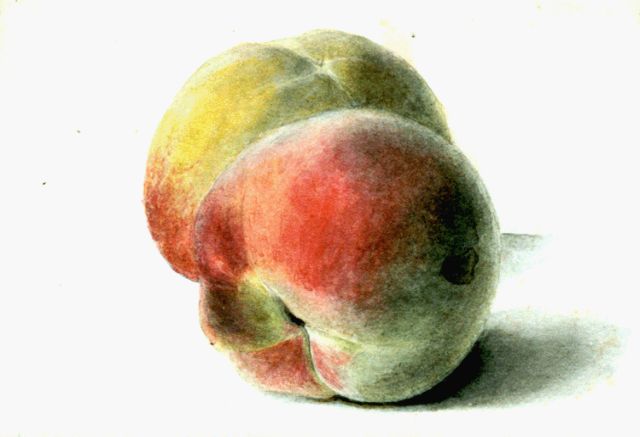
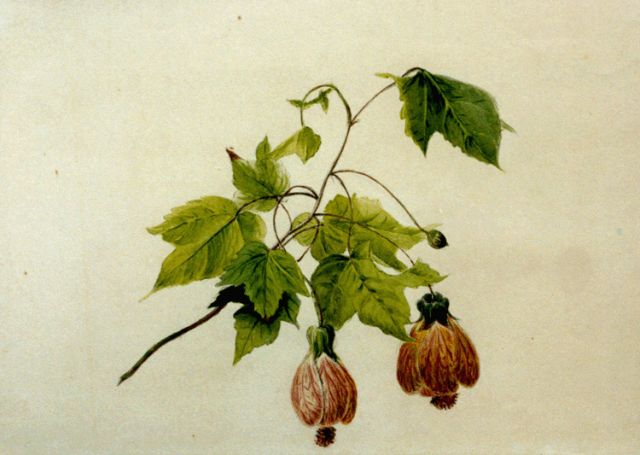
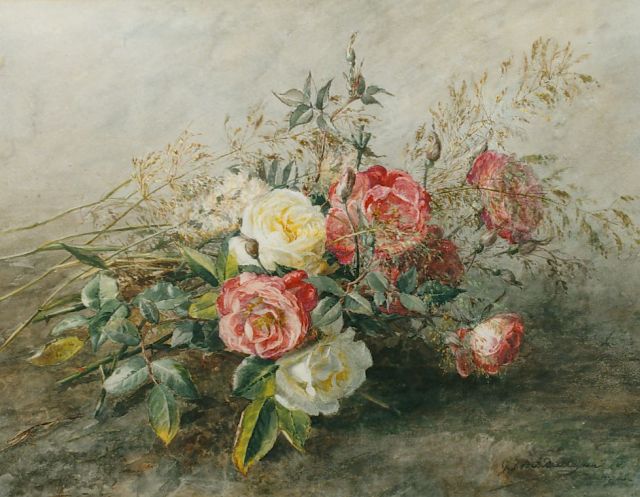
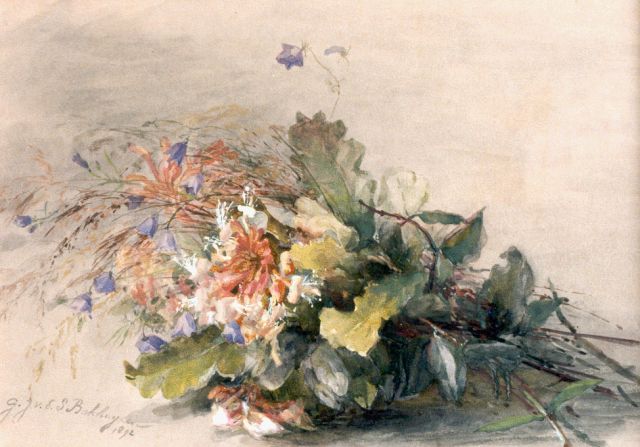
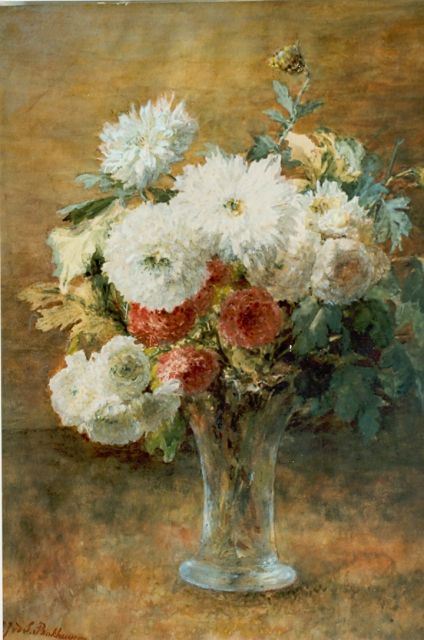
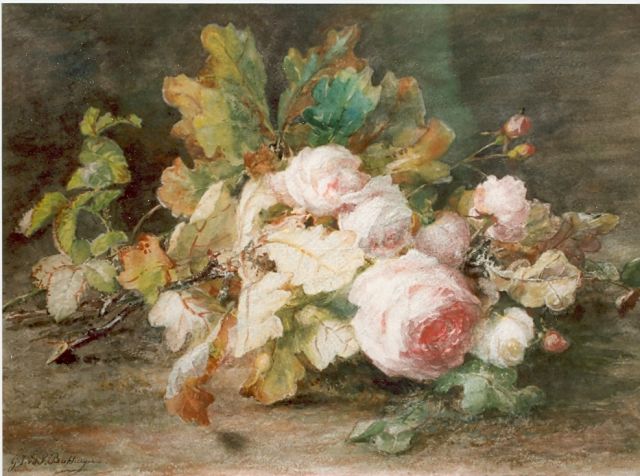
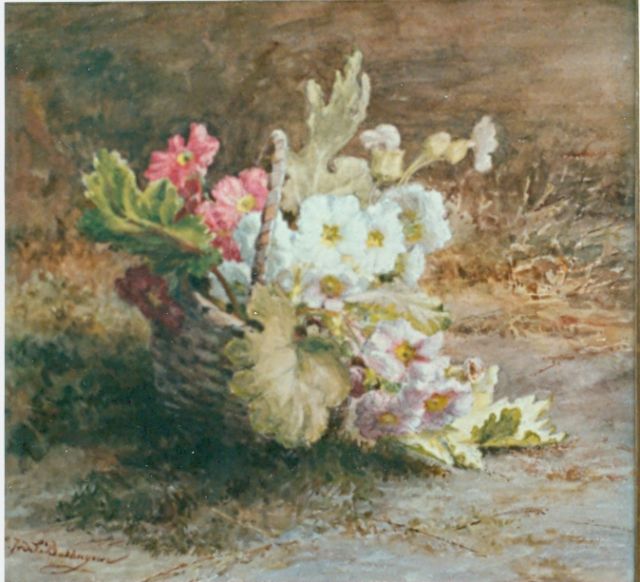
Gerardine van de Sande Bakhuyzen grew up in an artistic family. Her father, the renowned landscape painter Hendrikus van de Sande Bakhuyzen, discovered her painting talent early on and took her under his wing in his studio, along with her older brother Julius, whom she would far surpass in talent. Gerardine specialized in painting still lifes, the only genre considered appropriate for ladies at that time. In the 19th century, there was little attention paid to female painters compared to their male colleagues, and they were often seen merely as the wife of a famous painter. As one of the first painters, she broke with the tradition of the classical still life, the lush, heavily arranged floral still lifes that she painted in detail during her early period. She sought unconstrained compositions, in which everyday flowers and fruits were placed nonchalantly on marble plinths and, later, on the forest floor. After 1870, her painting style became increasingly loose and impressionistic, and she was also praised for her harmonious use of colour and exceptional lighting. She performed groundbreaking work not only with her painting style and compositions but also manifested herself as an independent and business-minded woman. She remained unmarried and always negotiated directly with her clients, which was highly unusual for the time. Van de Sande Bakhuizen actively participated in Dutch artistic life. She exhibited regularly at exhibitions for Living Masters and won various prizes. In 1861, she received an honorary membership of the Royal Academy in Amsterdam; in 1876, she co-founded the Hollandsche Teekenmaatschappij; and in 1879, she joined the artists' society Arti et Amicitiae. At the height of her fame, her paintings fetched high prices.