 Sluit menu
Sluit menu
Sluit menu
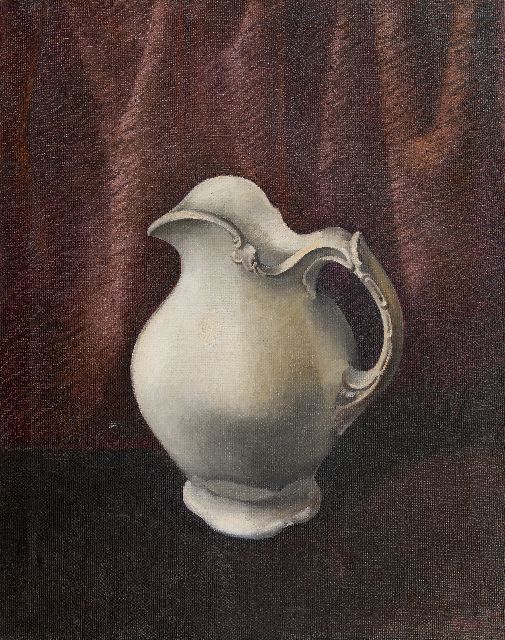
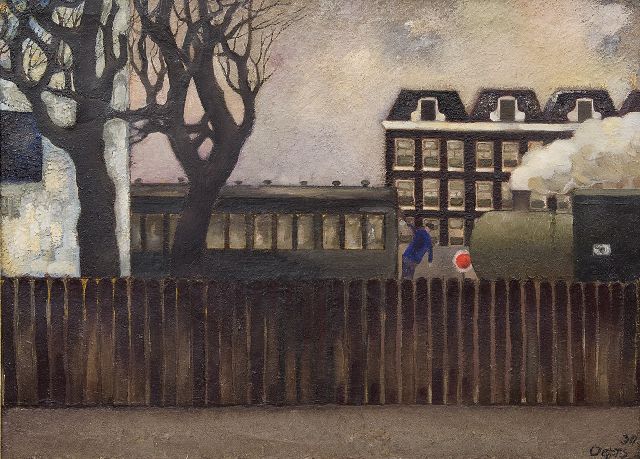
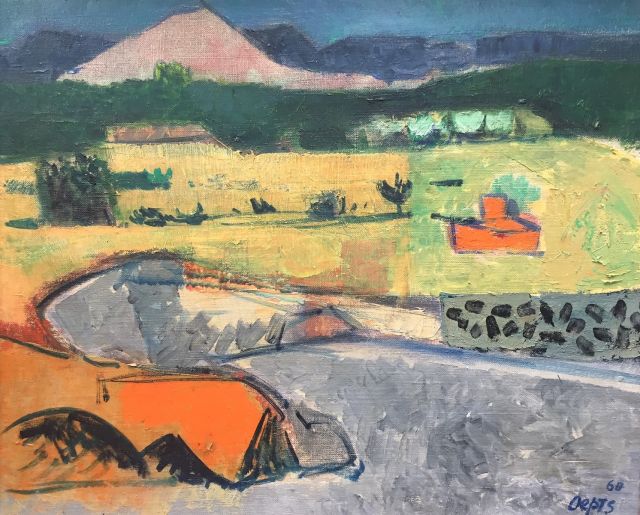
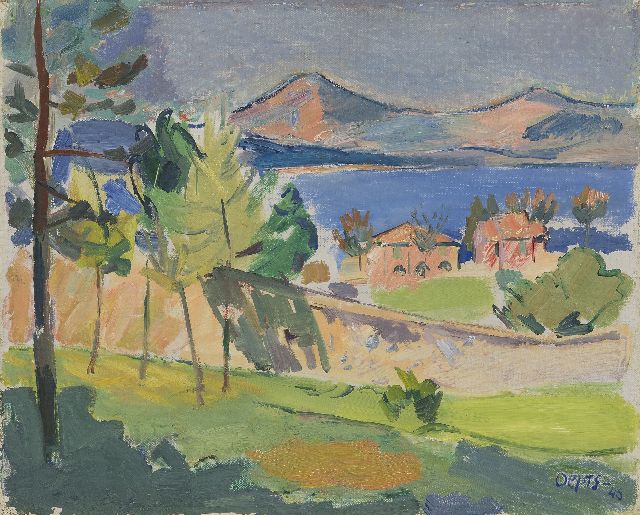
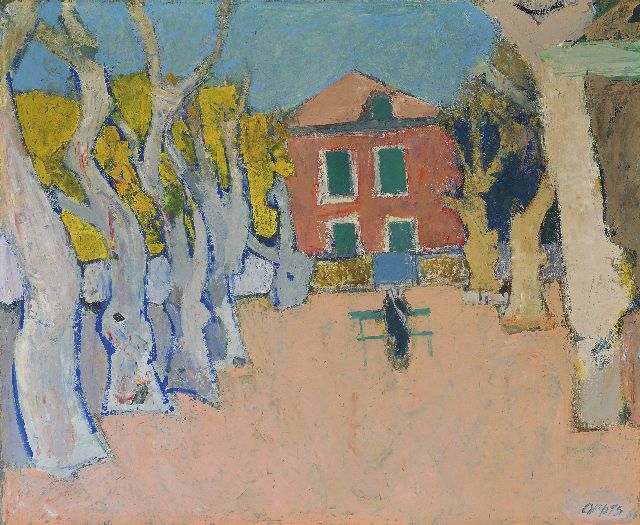
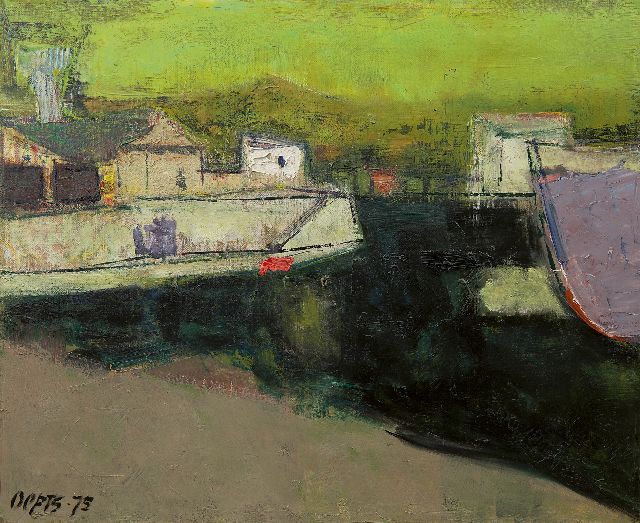
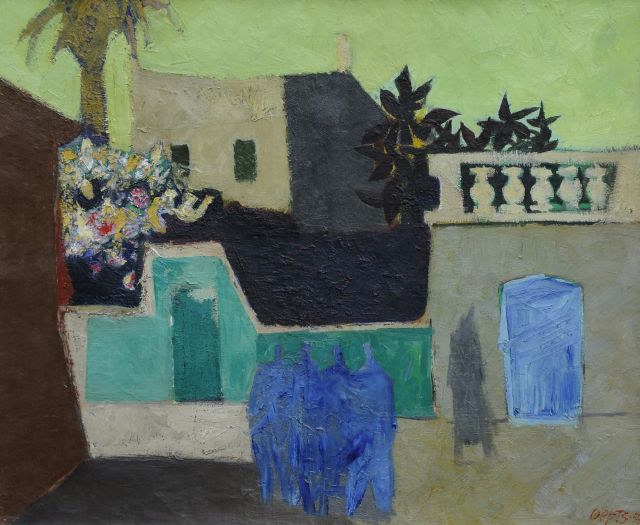
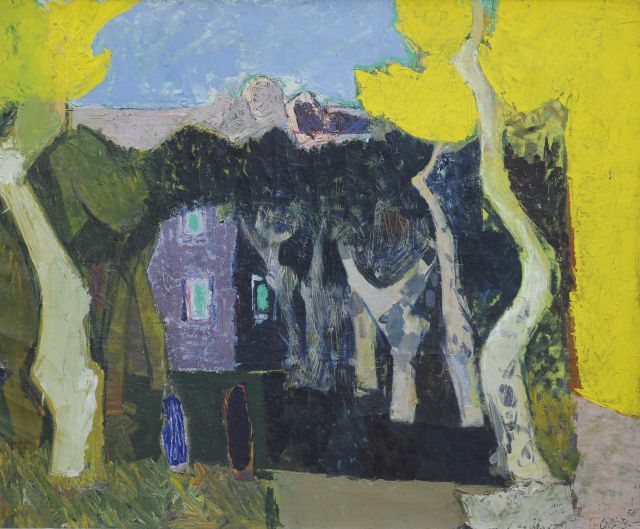
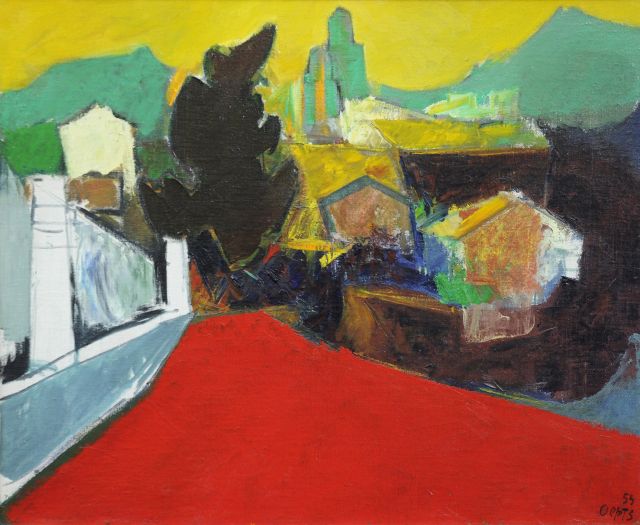
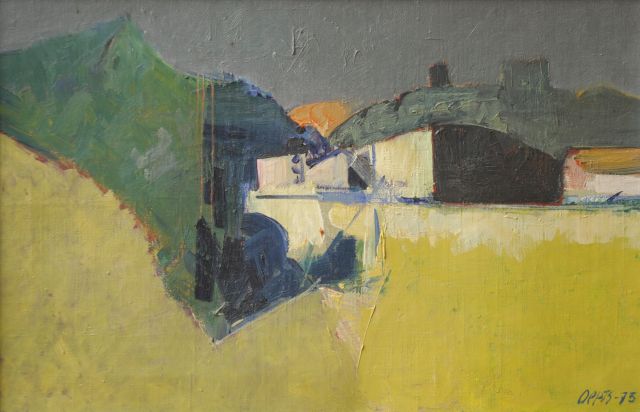
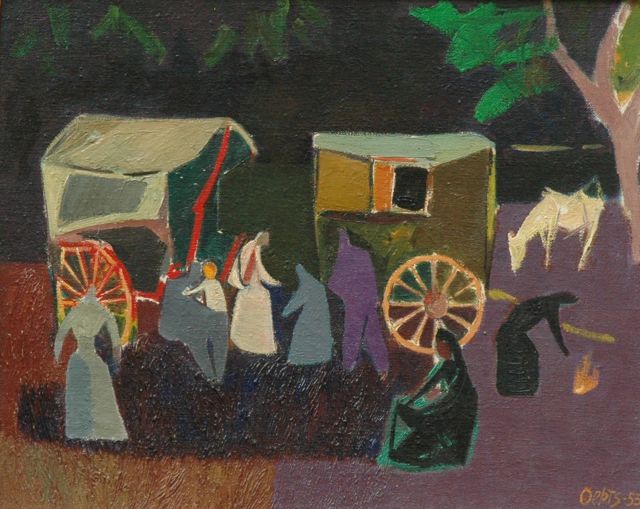
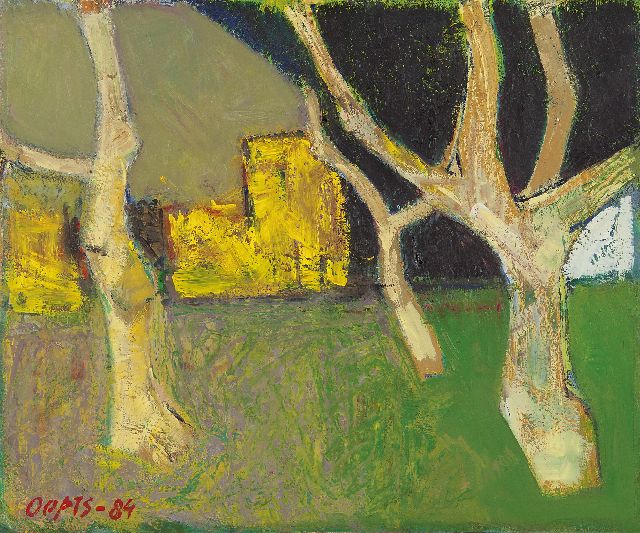
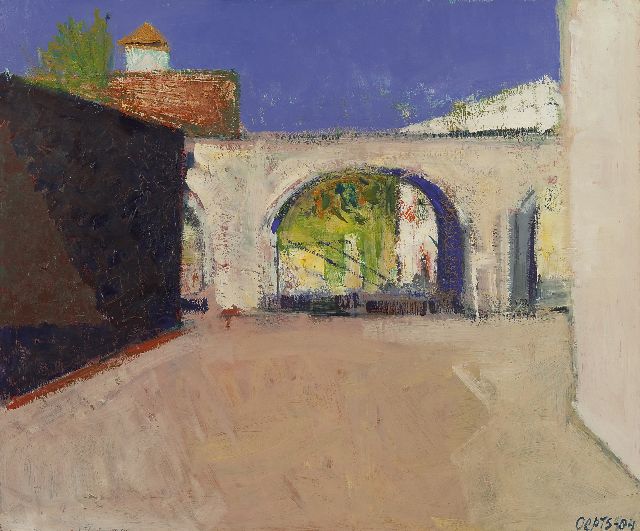
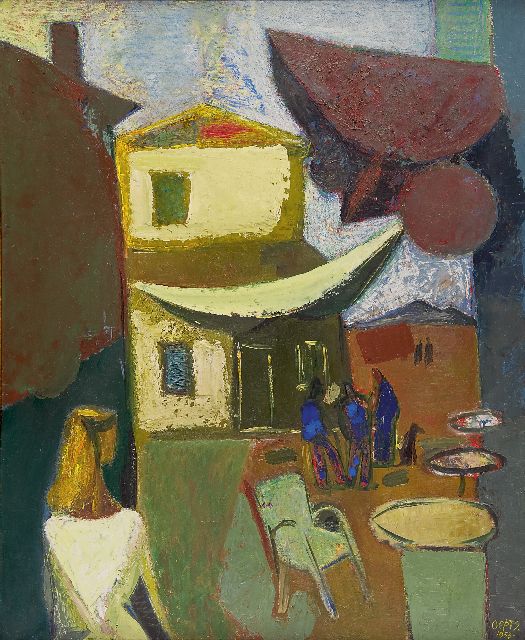
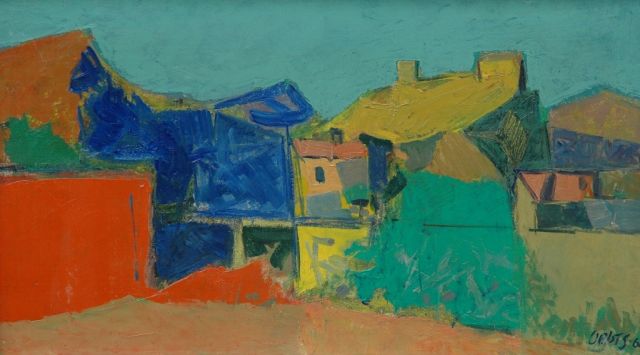
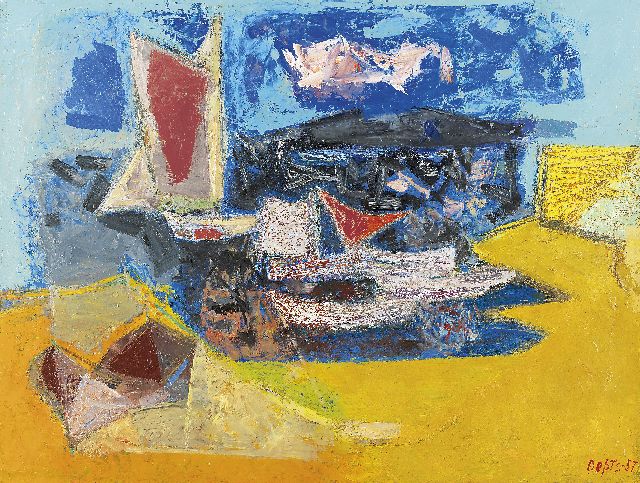
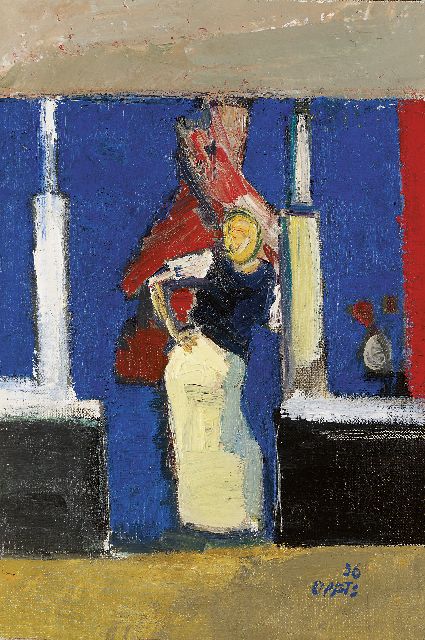
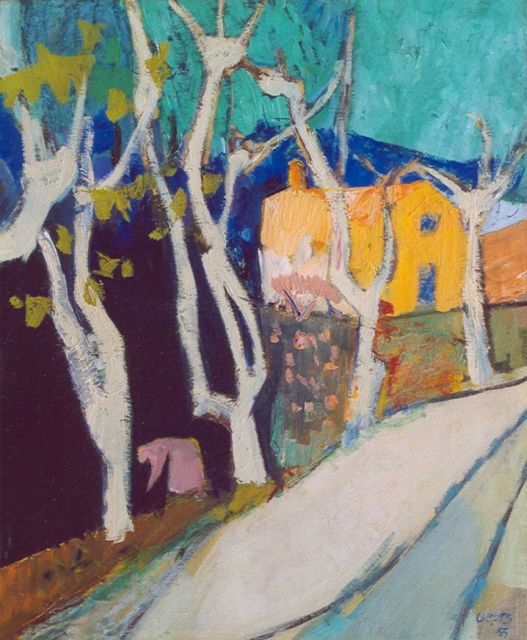
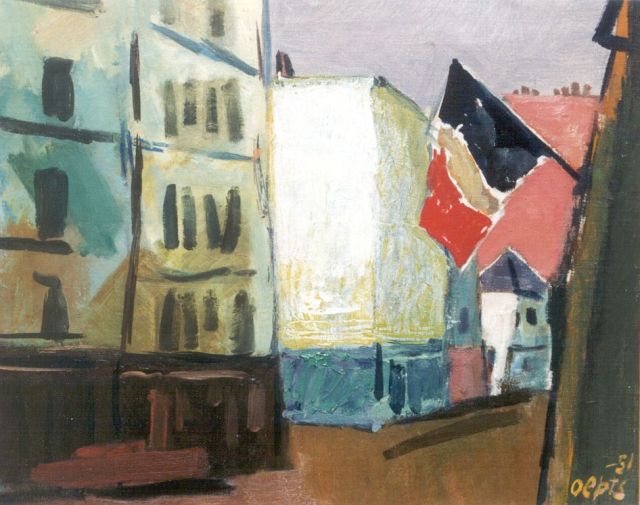
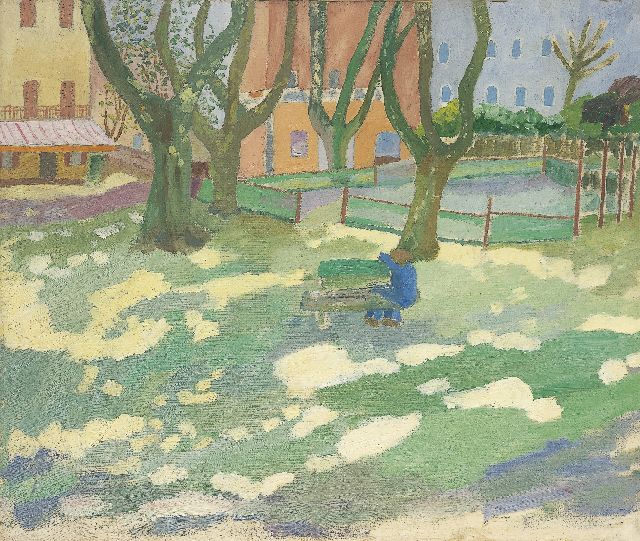
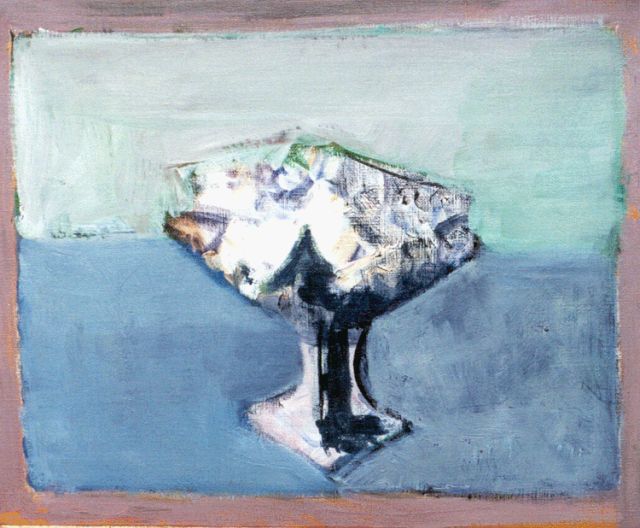
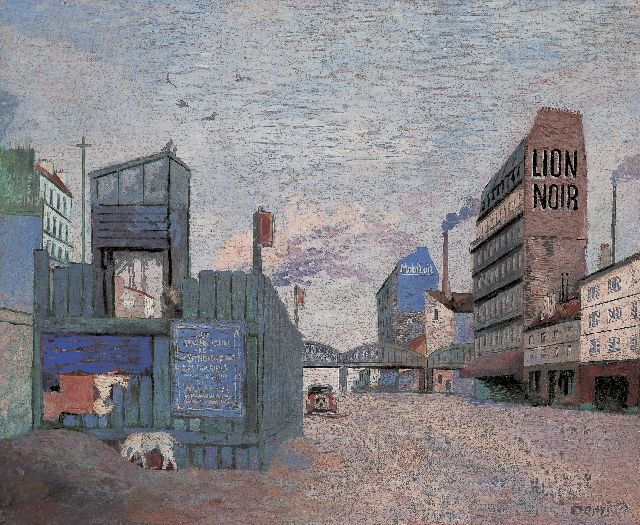
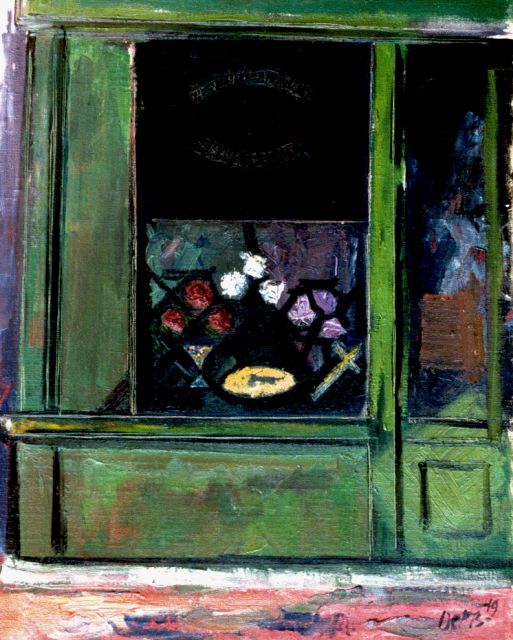
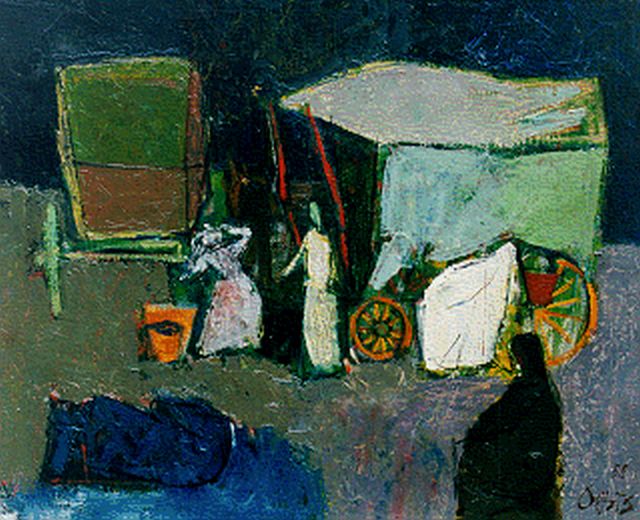
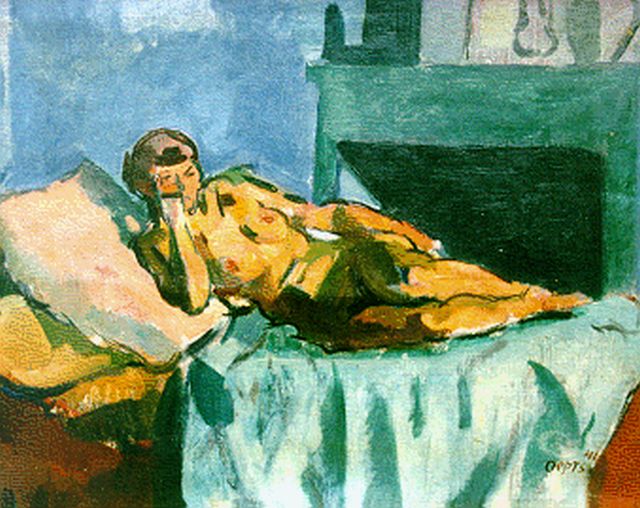
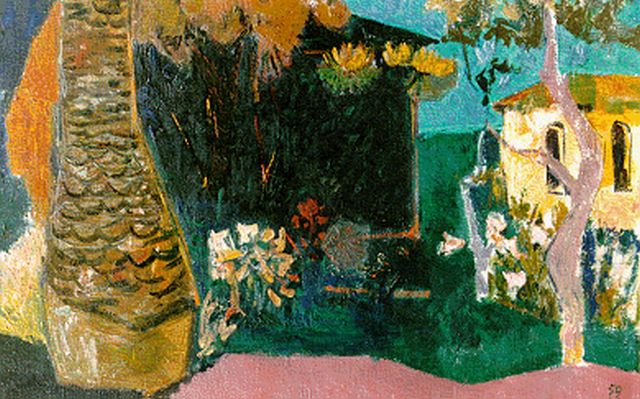
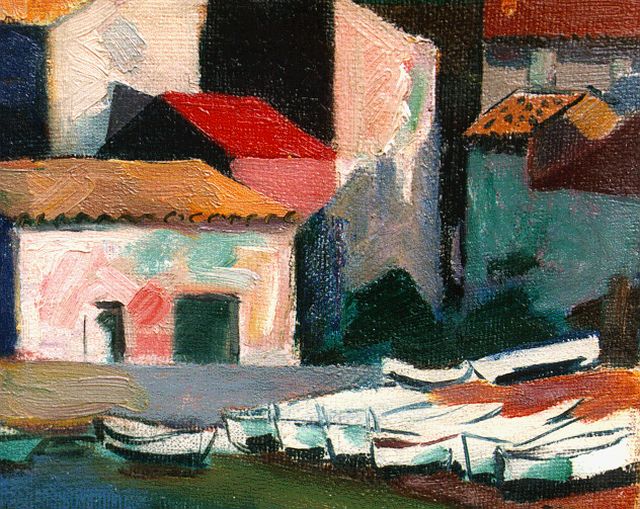
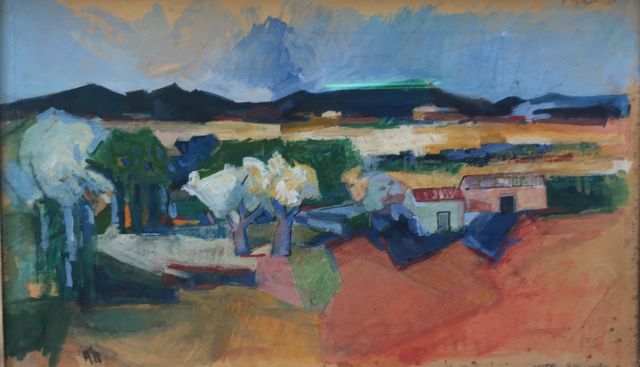
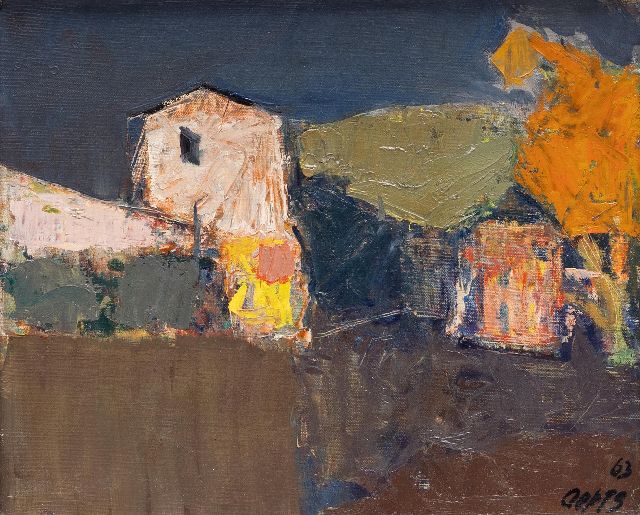
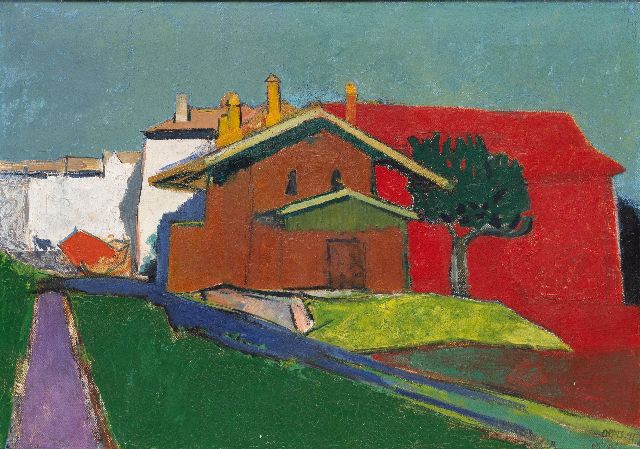
For Wim Oepts, colour was the most essential aspect of painting. The painter discovered this in 1937 in the southern French fishing village of Collioure, where he was captivated by the magical Mediterranean light that made the world sparkle and radiate with colour. Oepts, a self-taught artist, began his career as a graphic artist. When he met Charey Toorop in 1924, he encouraged him to start painting. Oepts then used the social-realist subjects he also chose for his graphic work, painting primarily dark-coloured street scenes and cityscapes of Amsterdam, the city where he was born and then still lived. Just as he was on the verge of his breakthrough in the Netherlands, he encountered the work of post-Impressionists and Fauvists like Bonnard and Matisse during his first visit to Paris in 1933. When he traveled to the south of France a few years later in 1937, where he felt liberated, his working method changed radically. His palette became more colourful and his brushwork increasingly loose. There he found the inspiration for his characteristic landscapes, primarily village and harbor scenes, which from then on were constructed in large planes with bright, often unrealistic colours of red, violet, bright yellow, green, and cobalt blue. In 1939, the painter and his French wife, Marthe Caudal, settled in Paris, where he took painting lessons with Othon Friesz, who primarily taught him the interplay of colours in a painting. During World War II, Oepts worked as a war artist in England and in 1944 took part in the invasion of France as a soldier. Once back in France, he led a secluded life and focused solely on painting. He was often found in the south, making sketches that were then developed in his studio in Paris. At that time, abstraction was the dominant style in the Netherlands, and work labeled 'figurative' enjoyed much less interest. Oepts also achieved no significant recognition in France. It wasn't until the 1965s that things started to improve, as collectors in both the Netherlands and France began to appreciate the idiosyncrasy of an artist who didn't belong to a particular school and purchased his work. This was done directly with the artist himself, who visited his loyal clientele every year, without any intermediary profiting from the sale.