 Sluit menu
Sluit menu
Sluit menu
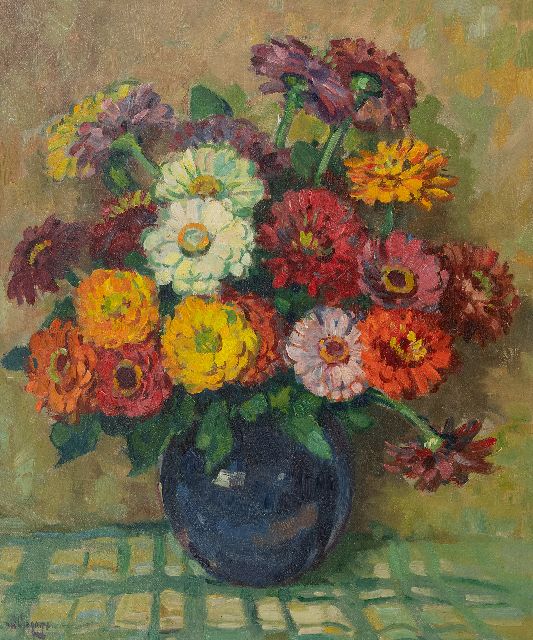
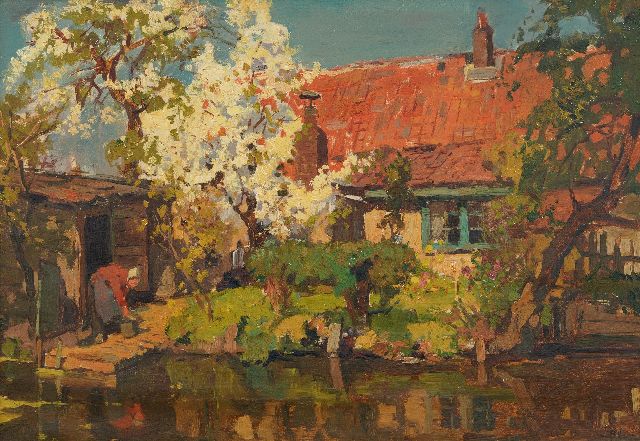
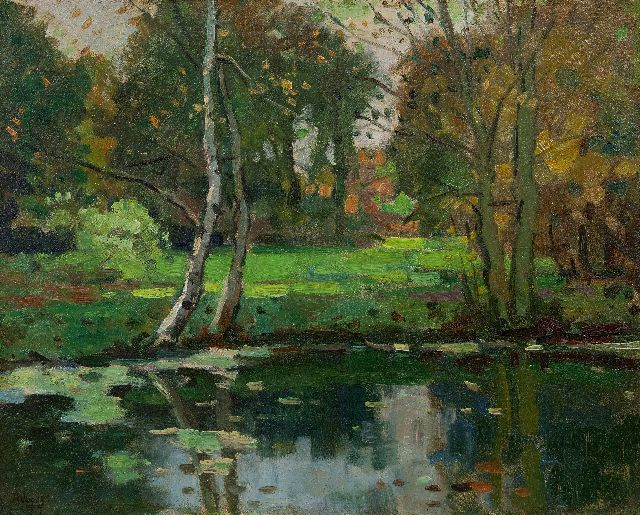
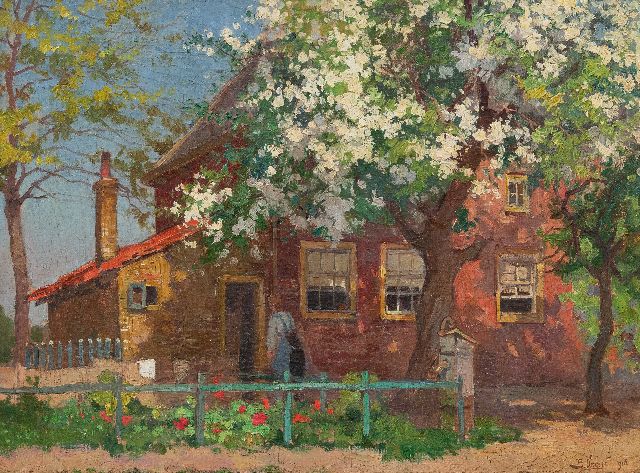
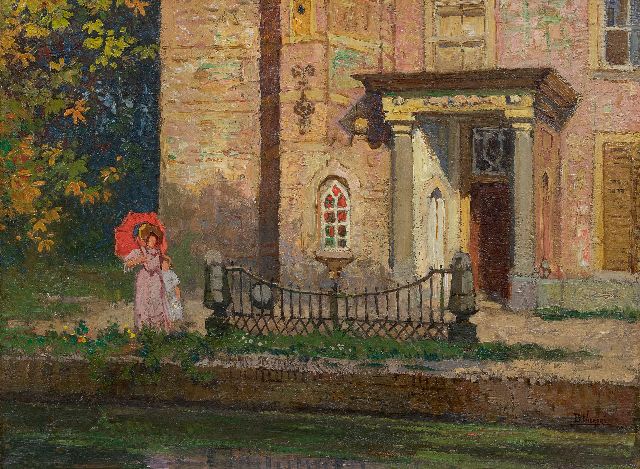
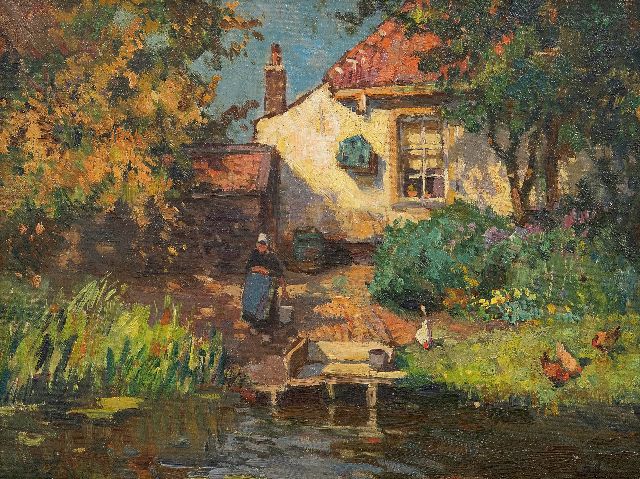
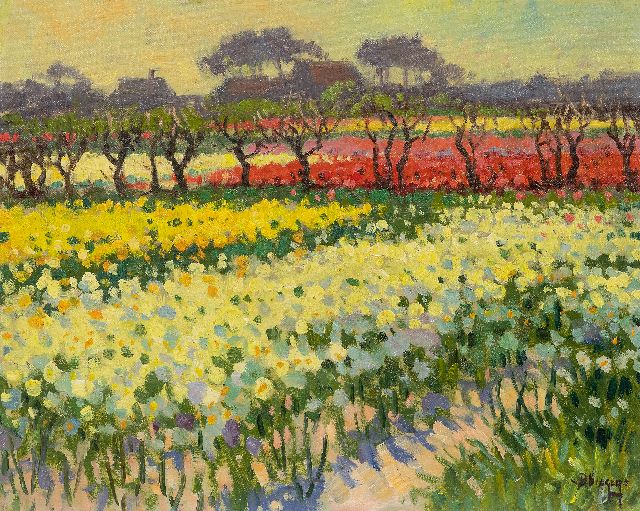
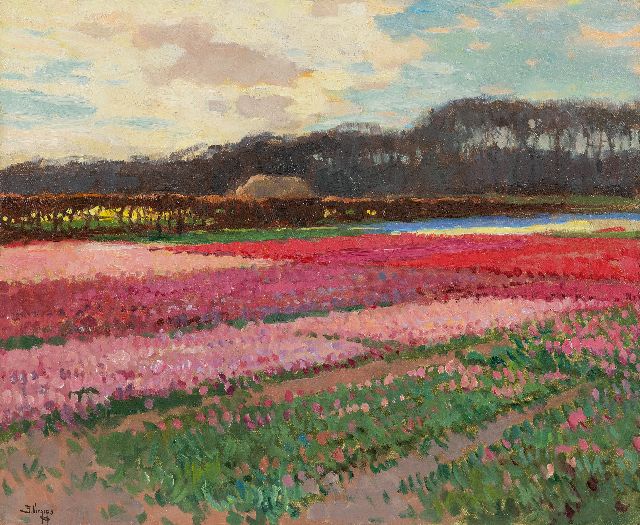
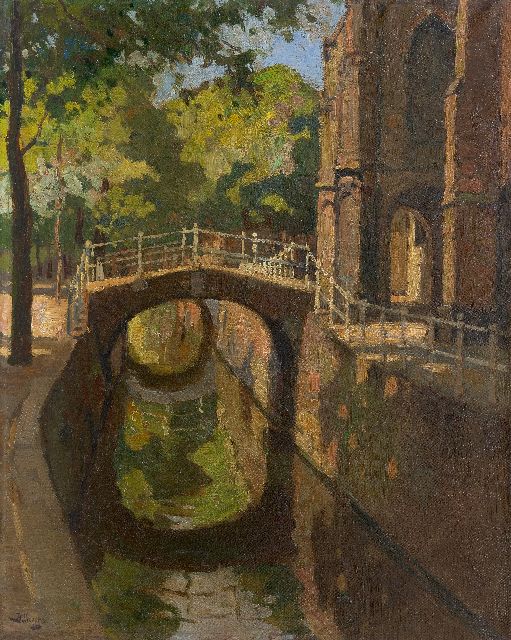
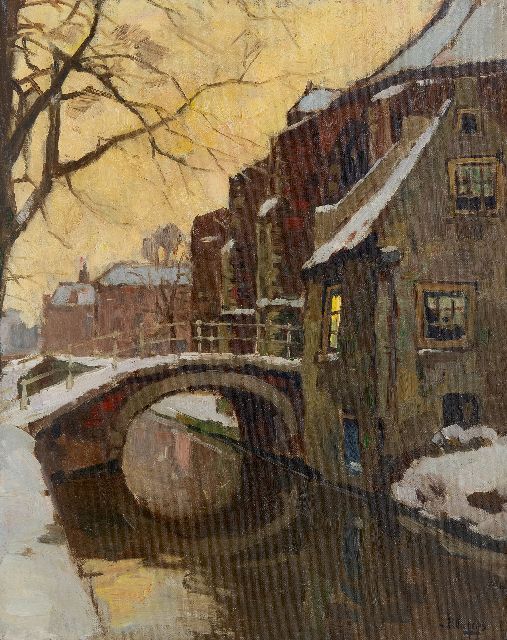
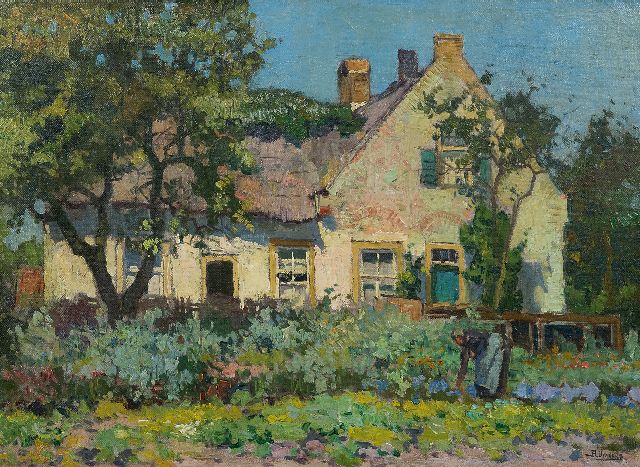
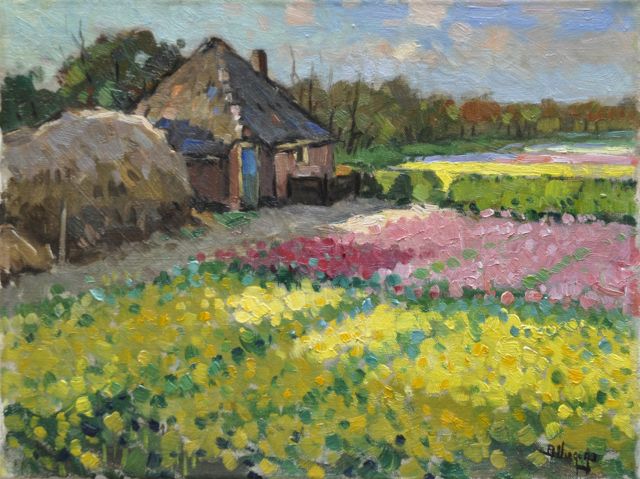
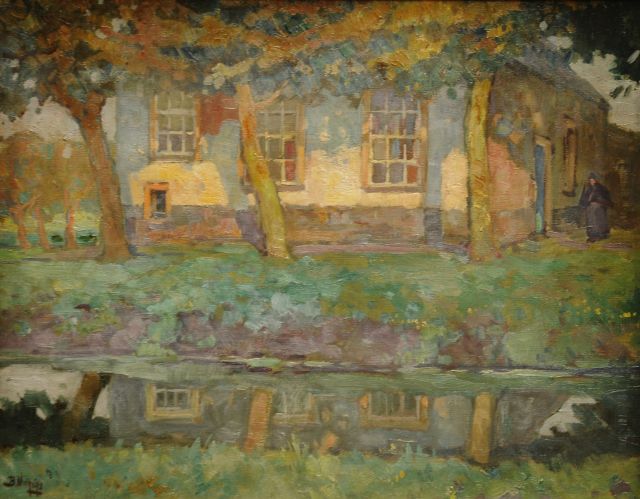
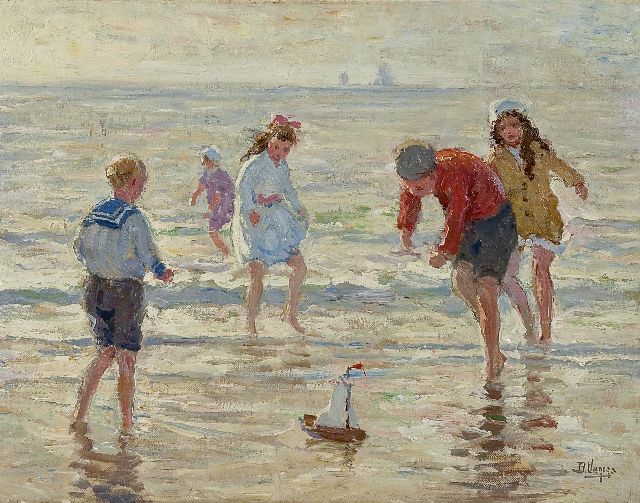
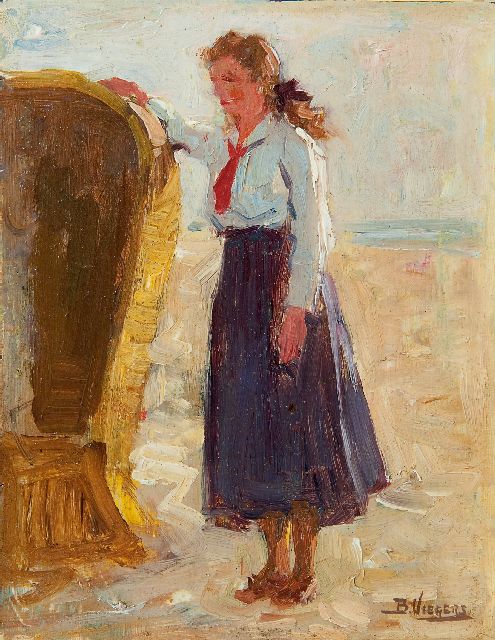
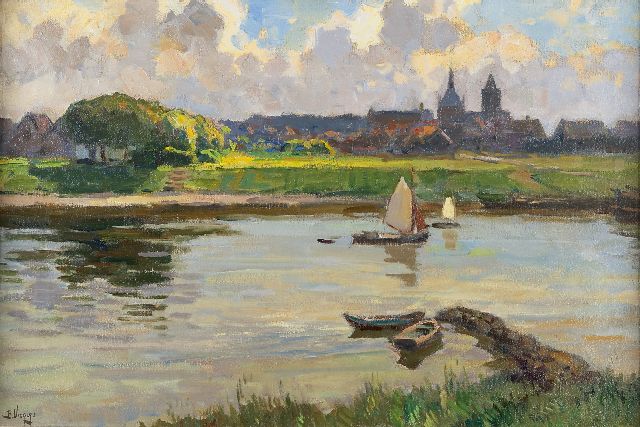
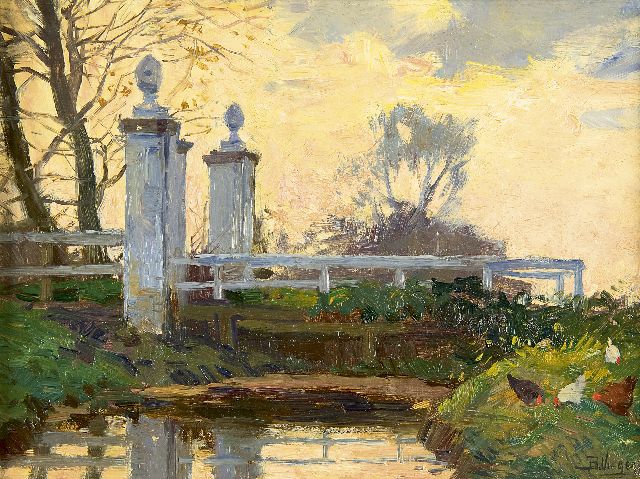
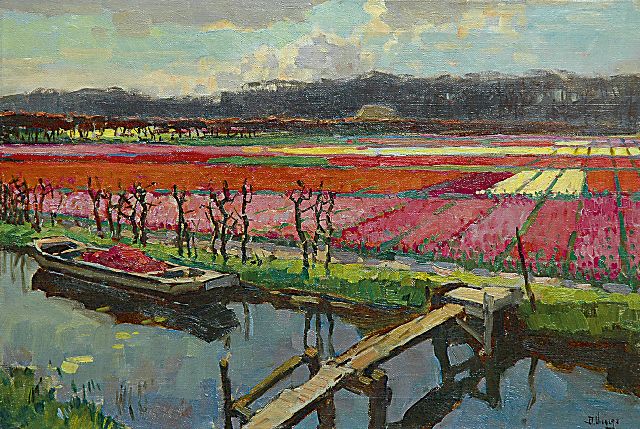
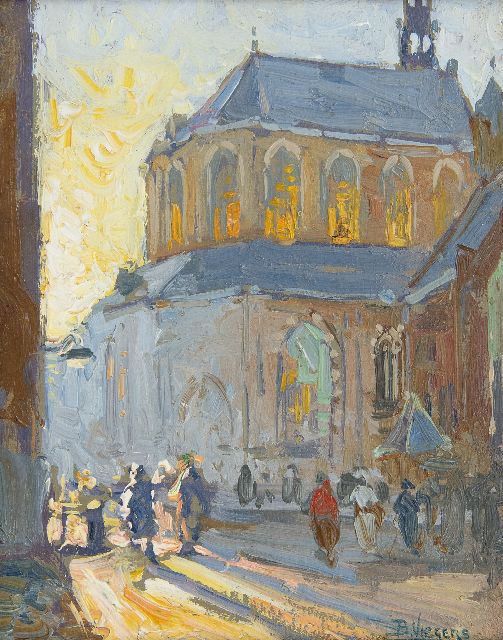
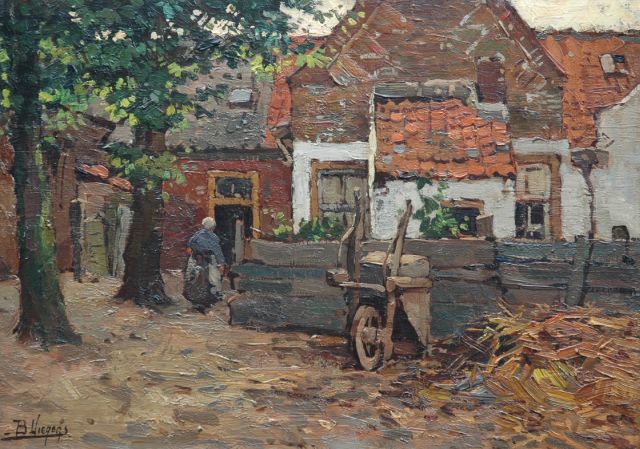
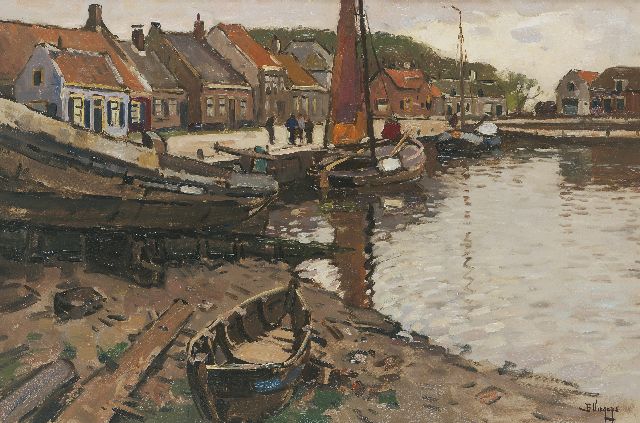
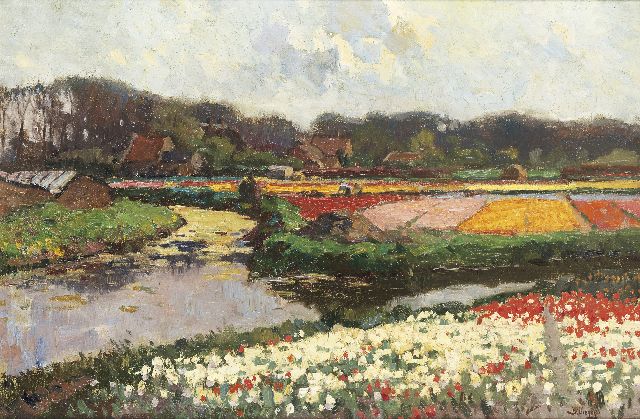
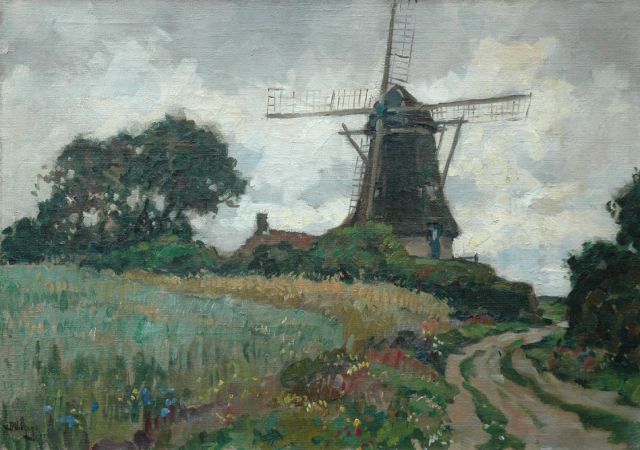
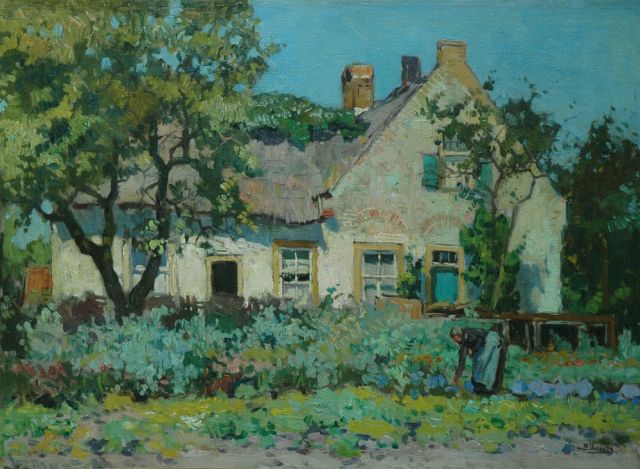
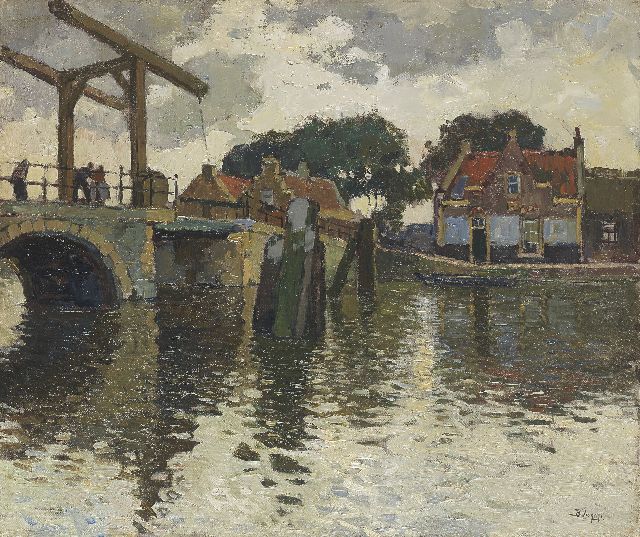
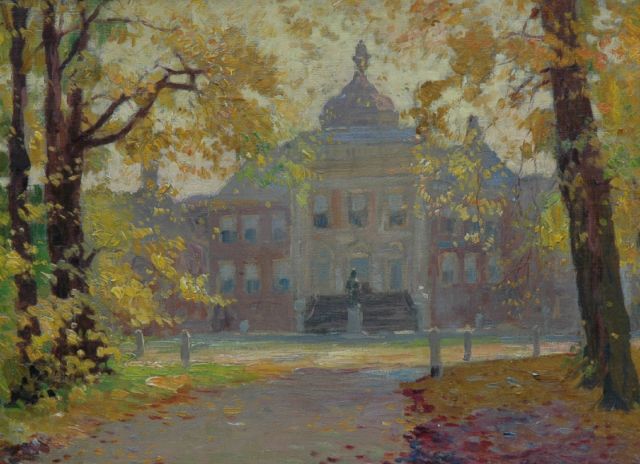
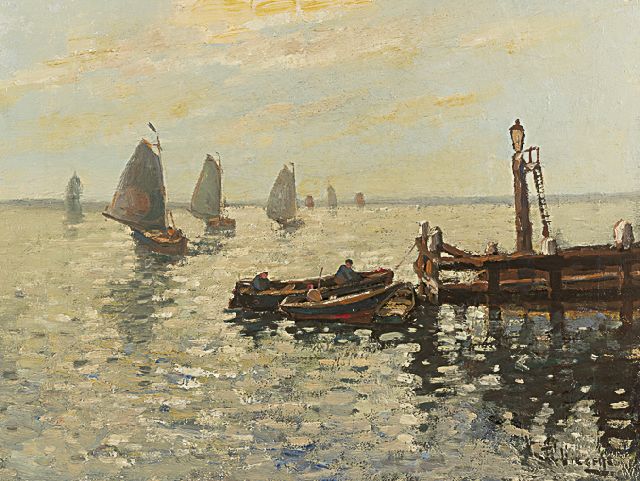
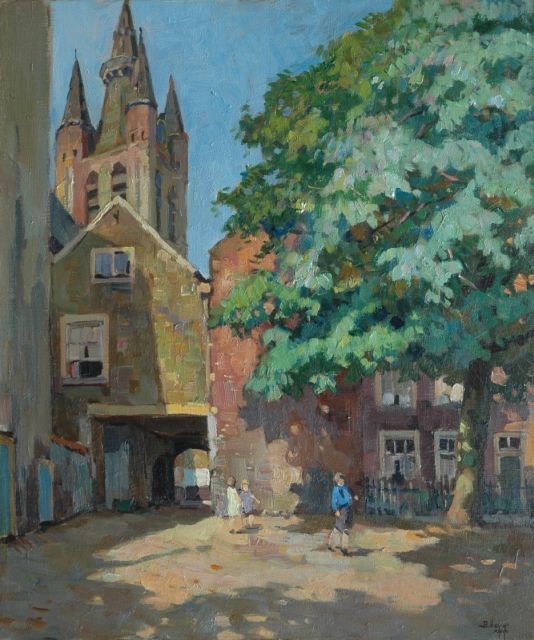
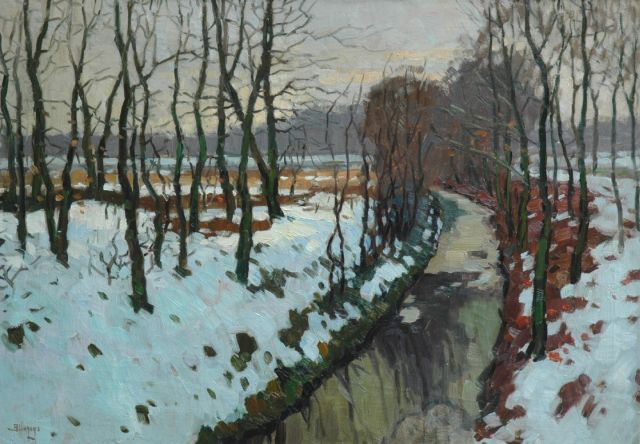
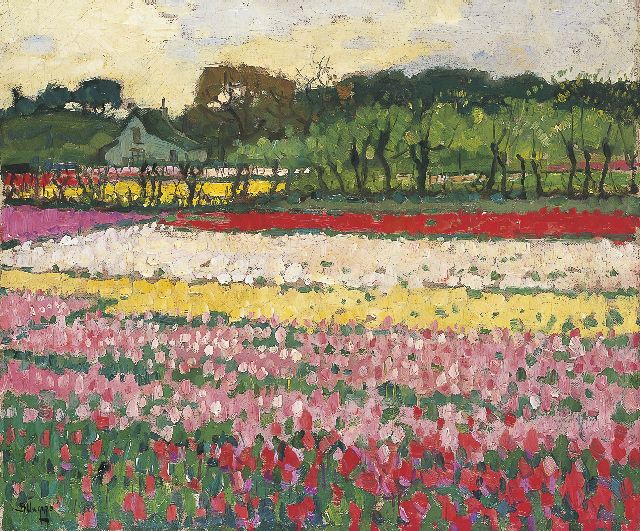
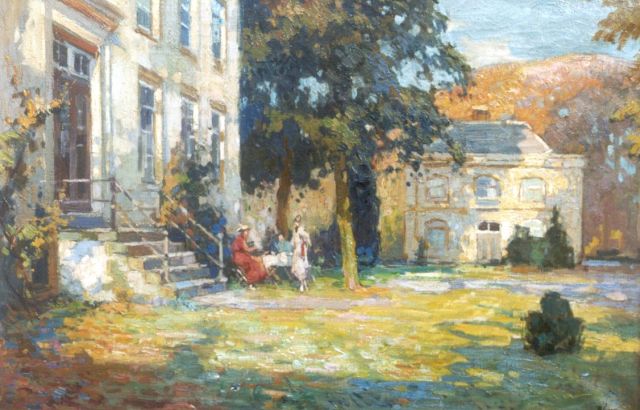
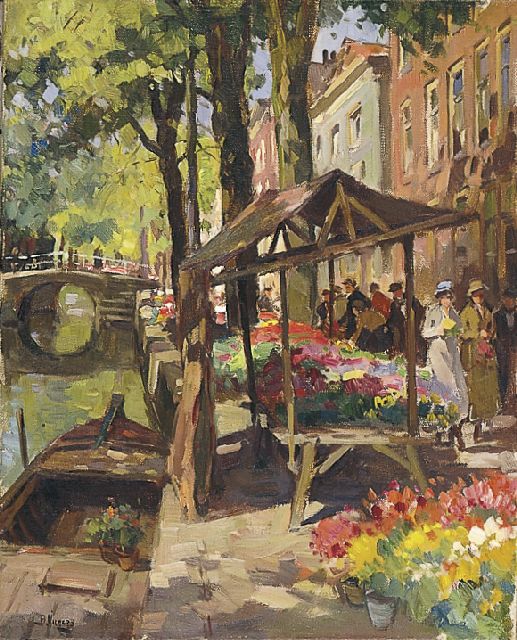
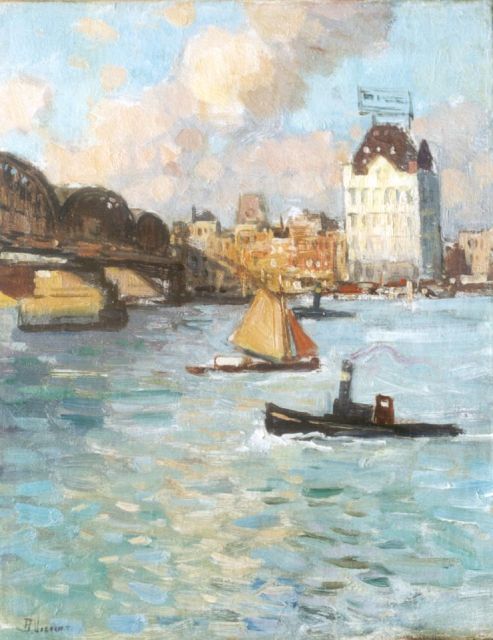
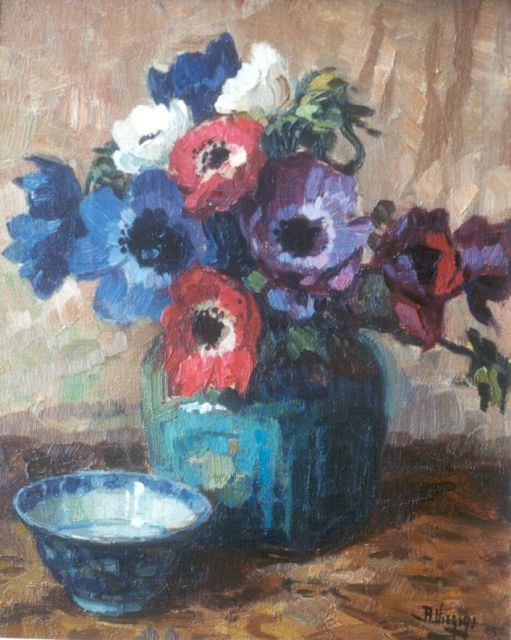
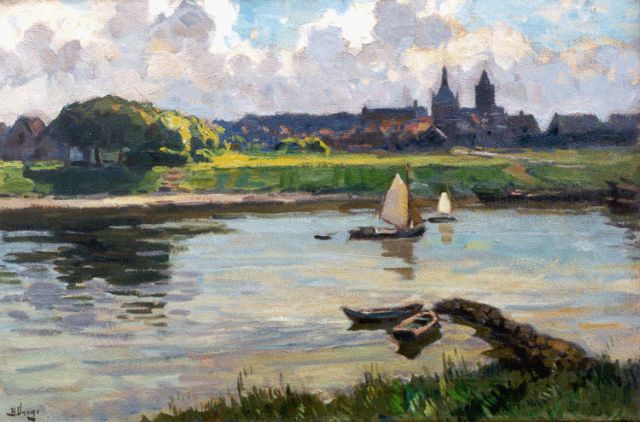
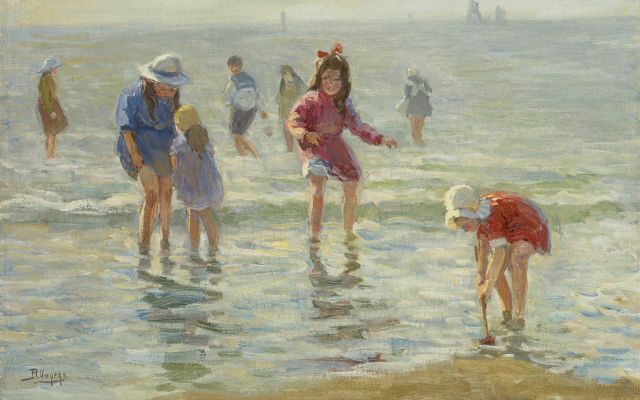
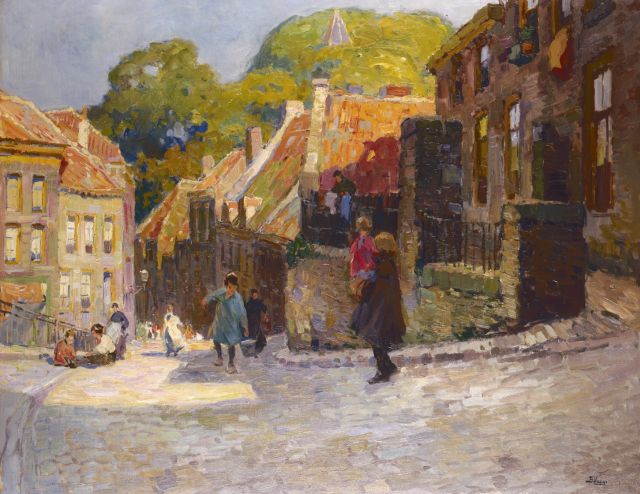
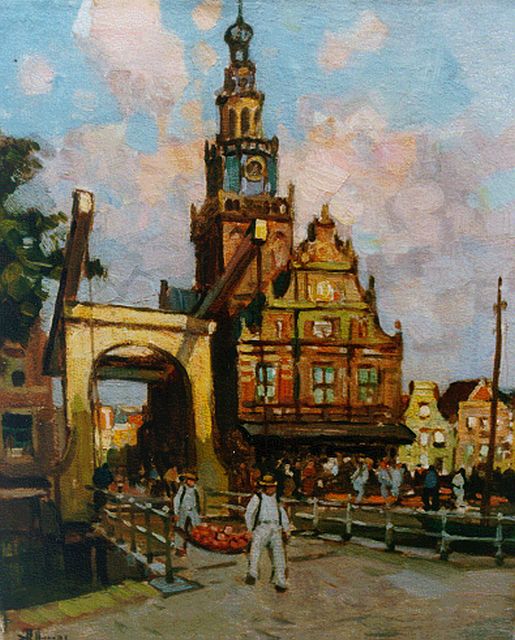
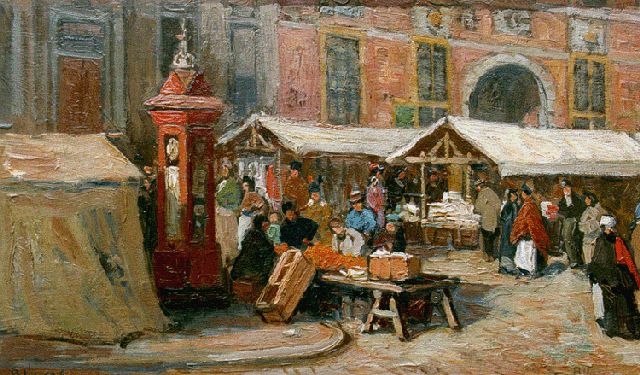
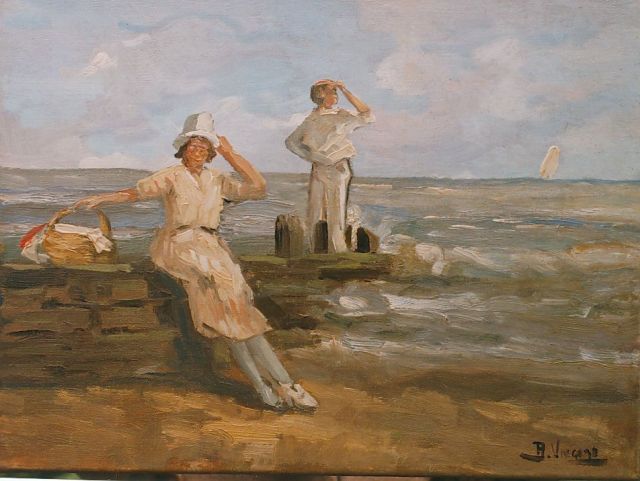
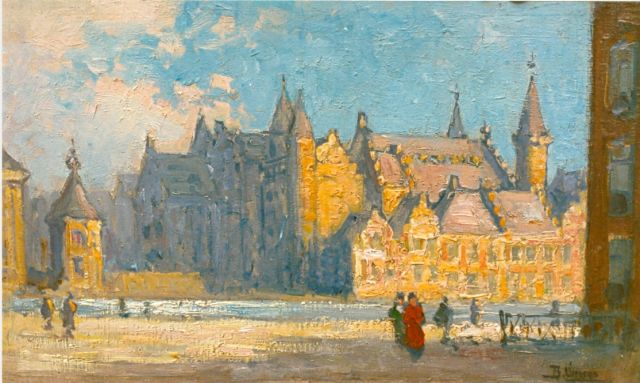
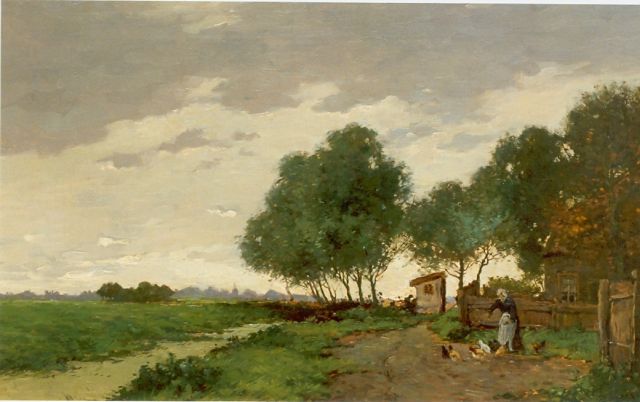
Born in 1886 in The Hague, the young Ben Viegers learned to draw, mix paints, paint, and decorate in his grandfather's carriage-building workshop. Here, the foundation of his artistry was laid, after which Viegers continued to develop as a self-taught artist. Initially, we classify his work as part of the late flowering of the Hague School, regarding both palette and style, but especially due to painting en plein air. Viegers was always to be found outdoors, capturing markets, beach scenes in Scheveningen, and characteristic waterside towns. After his marriage, he settled in Nunspeet on the Veluwe, where a small art colony had established itself and where he would live until his death. He settled in well there, was sociable, and became friends with, among others, Jaap Hiddink and Jan van Vuuren. His style changed, and his use of colour, inspired by the French Impressionists, became bolder. Depending on the day and his mood, he captured his surroundings in colours that expressed how he experienced everything around him. This sometimes leads to an expressionistically tinged palette with accents of bright red, fiery blue, and orange – particularly visible in his paintings of bulb fields, for which he gained great fame. Viegers also occasionally ventures abroad, to Cleves, Bruges, and the Breton coast; sometimes on his Harley-Davidson with a sidecar, later in his own car. As a member of the Hague Art Circle, he witnesses all the innovations in painting, yet remains faithful to the Impressionist style throughout his life, and his heart continues to be drawn to capturing unspoiled nature and rural life.